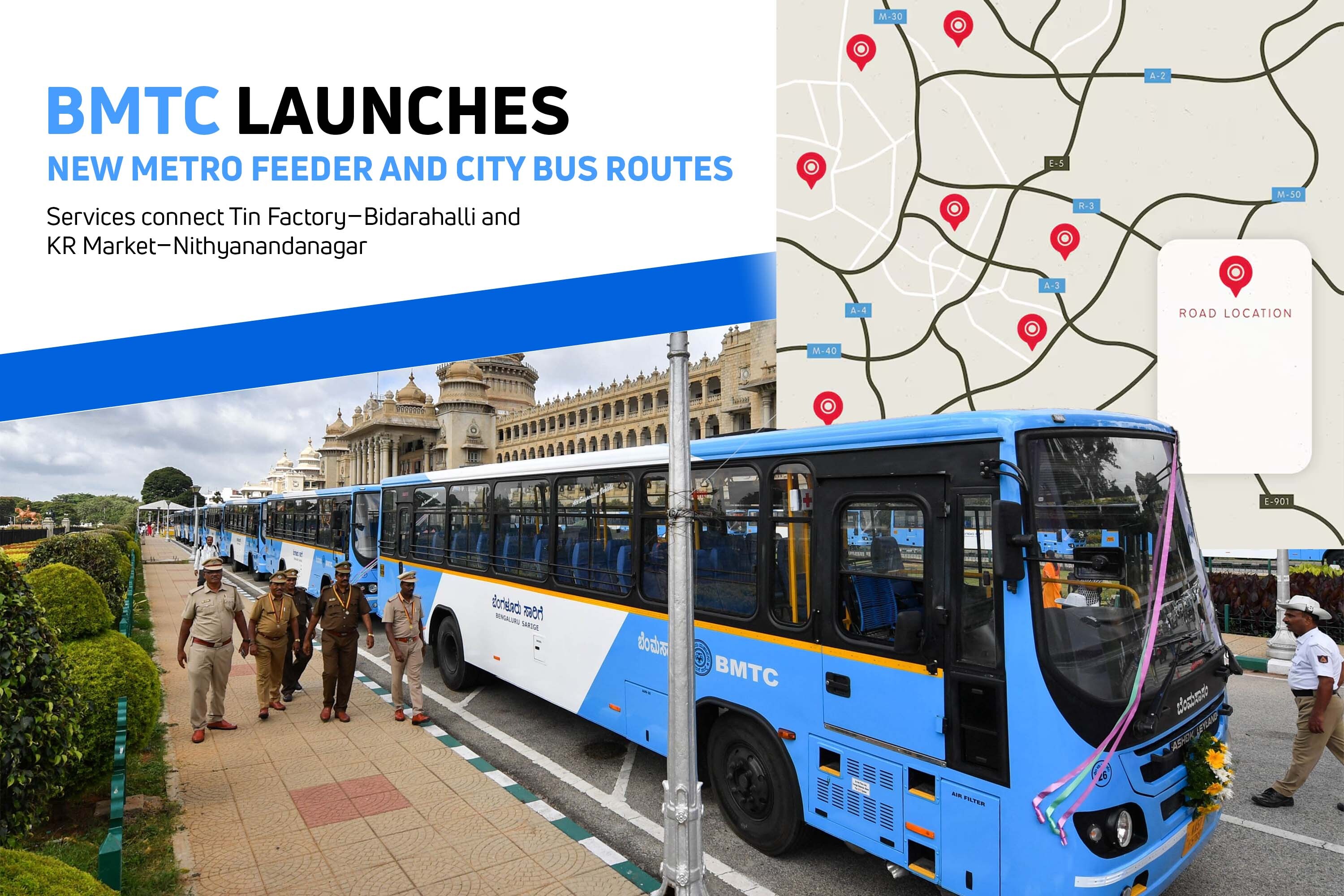

BMTC Introduces New Metro Feeder and City Bus Routes
The Bengaluru Metropolitan Transport Corporation (BMTC) has added two new bus services to its network, aimed at improving local connectivity and easing daily travel for commuters in eastern and southwestern parts of the city. The new additions include a metro feeder route and a regular city route, both operating with fixed daily schedules.
Metro Feeder MF-10B Connects Tin Factory and Bidarahalli
The first new service is Metro Feeder Route MF-10B, which links Tin Factory with Bidarahalli. The route has been introduced to provide better last-mile connectivity to residential pockets and educational institutions in the area.
The bus runs via TC Palya Cross, Kittaganaru, and the East Point College back gate, covering local stretches that previously required multiple transfers. One bus has been deployed on this route, operating six trips in each direction every day.
From Tin Factory, departures are scheduled at 8:50 am, 10:50 am, 12:25 pm, 2:00 pm, 4:00 pm, and 5:35 pm. From Bidarahalli, buses leave at 8:00 am, 10:00 am, 11:35 am, 1:10 pm, 3:13 pm, and 4:45 pm.
Route 228D Links KR Market and Nithyanandanagar
BMTC has also launched Route 228D, connecting KR Market with Nithyanandanagar, improving access to key areas along the western stretch of the city.
The route passes through Sirsi Circle, Kengeri TTMC, Kumbalgodu, Thagachaguppe, and Nalku Kamba, offering a more direct option for commuters travelling between market areas and residential neighbourhoods. Similar to the metro feeder, one bus has been assigned to this route.
From KR Market, trips are scheduled at 6:40 am, 2:40 pm, 5:45 pm, and 8:45 pm. Services from Kengeri TTMC operate at 8:40 am, 5:30 pm, 7:55 pm, 9:30 pm, 4:25 pm, and 7:10 pm, though BMTC has indicated that some timings may vary in sequence.
Focus on Local Connectivity
While both routes operate with limited fleet deployment, the intention is to plug connectivity gaps rather than add high-frequency services. Fixed timings and direct routing are expected to benefit regular commuters, especially those accessing metro stations, markets, and education hubs.
With these additions, BMTC continues to make incremental changes to its network, focusing on feeder services and shorter corridors that reduce dependence on multiple transfers. The new routes are likely to be monitored based on usage before any expansion in frequency or fleet size is considered.

MotorFloor
Articles: 33Related Posts

Bajaj Auto Rolls Out WEGO Electric Three-Wheeler Range, Claims Up to 296 Km Range

Mahindra LMML Unveils Udo: A New Electric Three-Wheeler Targeting City Commuters
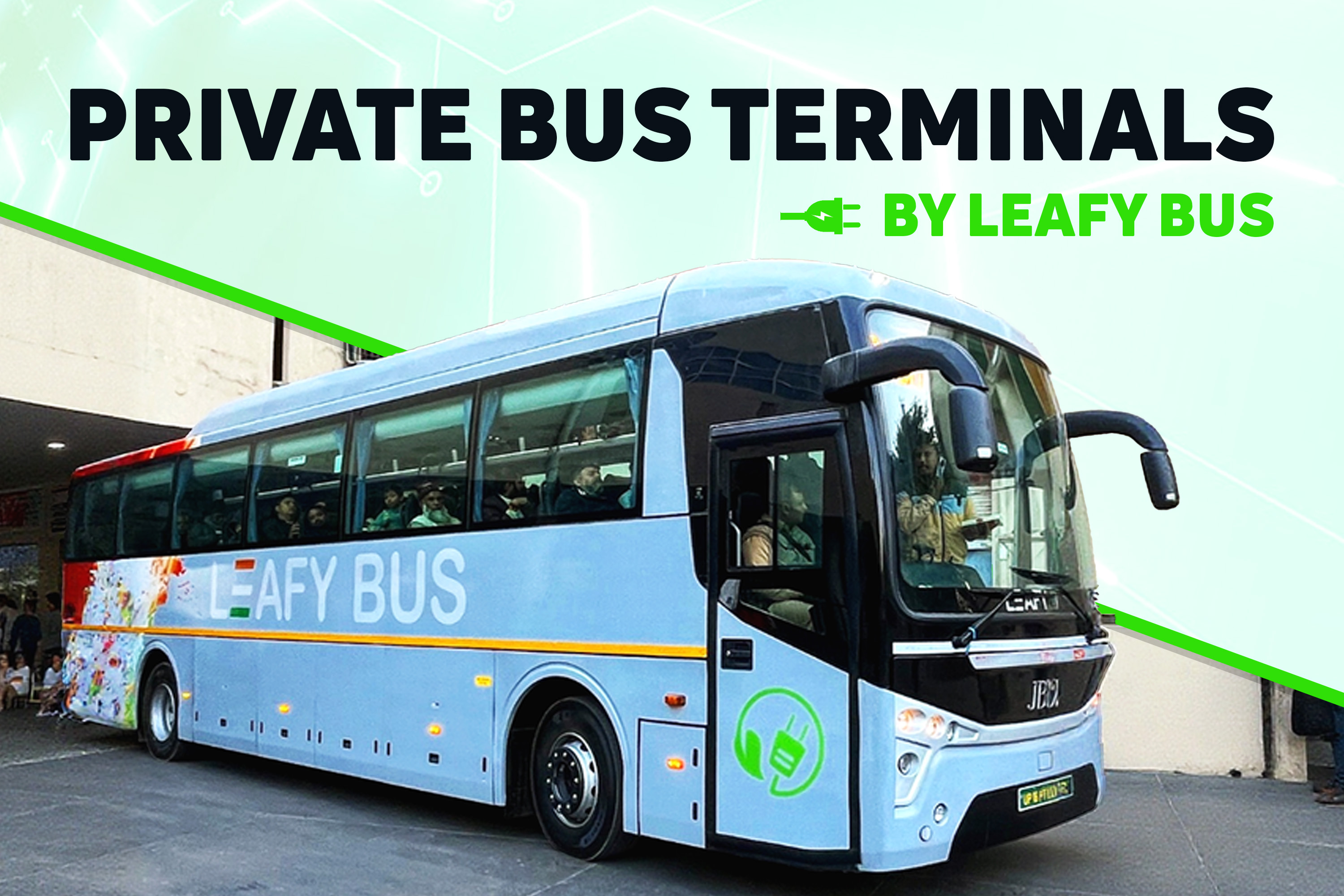
Leafy Bus to Establish Private Bus Terminals Across India
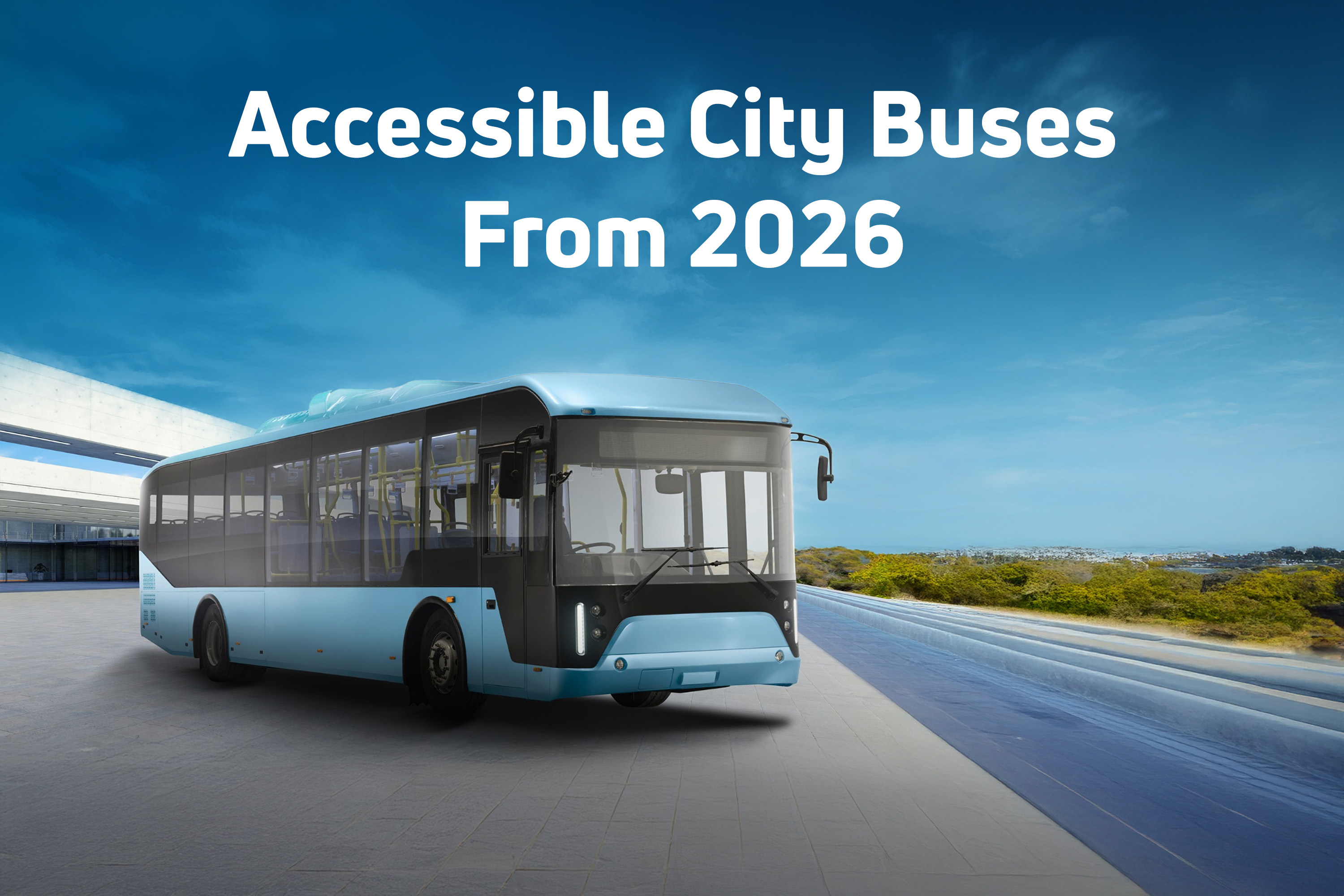
Big Shift in Urban Mobility: India Mandates Low-Floor Buses for All City Transit from October’26
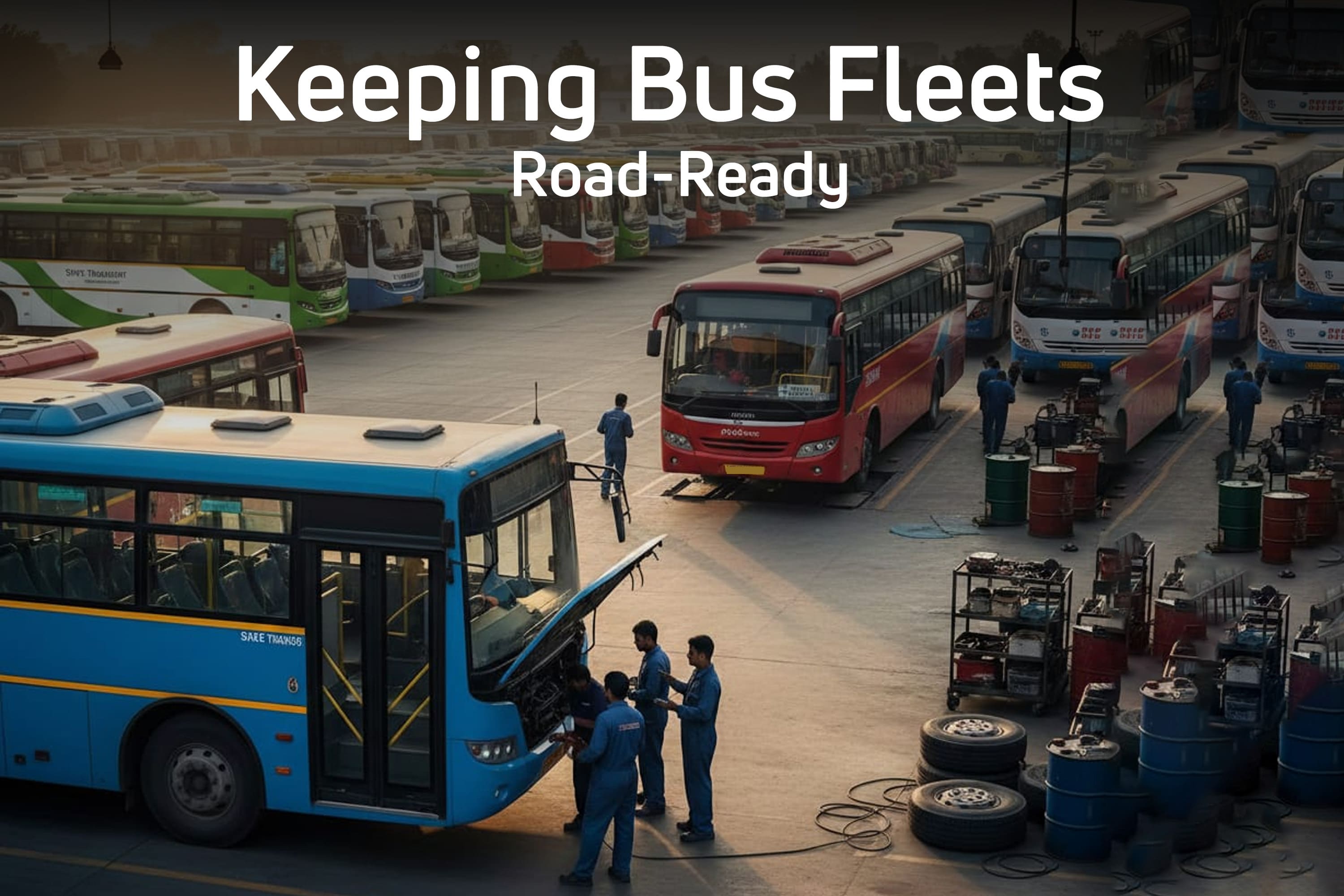
Preventive Maintenance Tips for Private & State Transport Bus Fleets