
How ADAS and Safety Tech Are Making Buses Smarter Than Ever
Impact of ADAS in Today’s Bus Sector
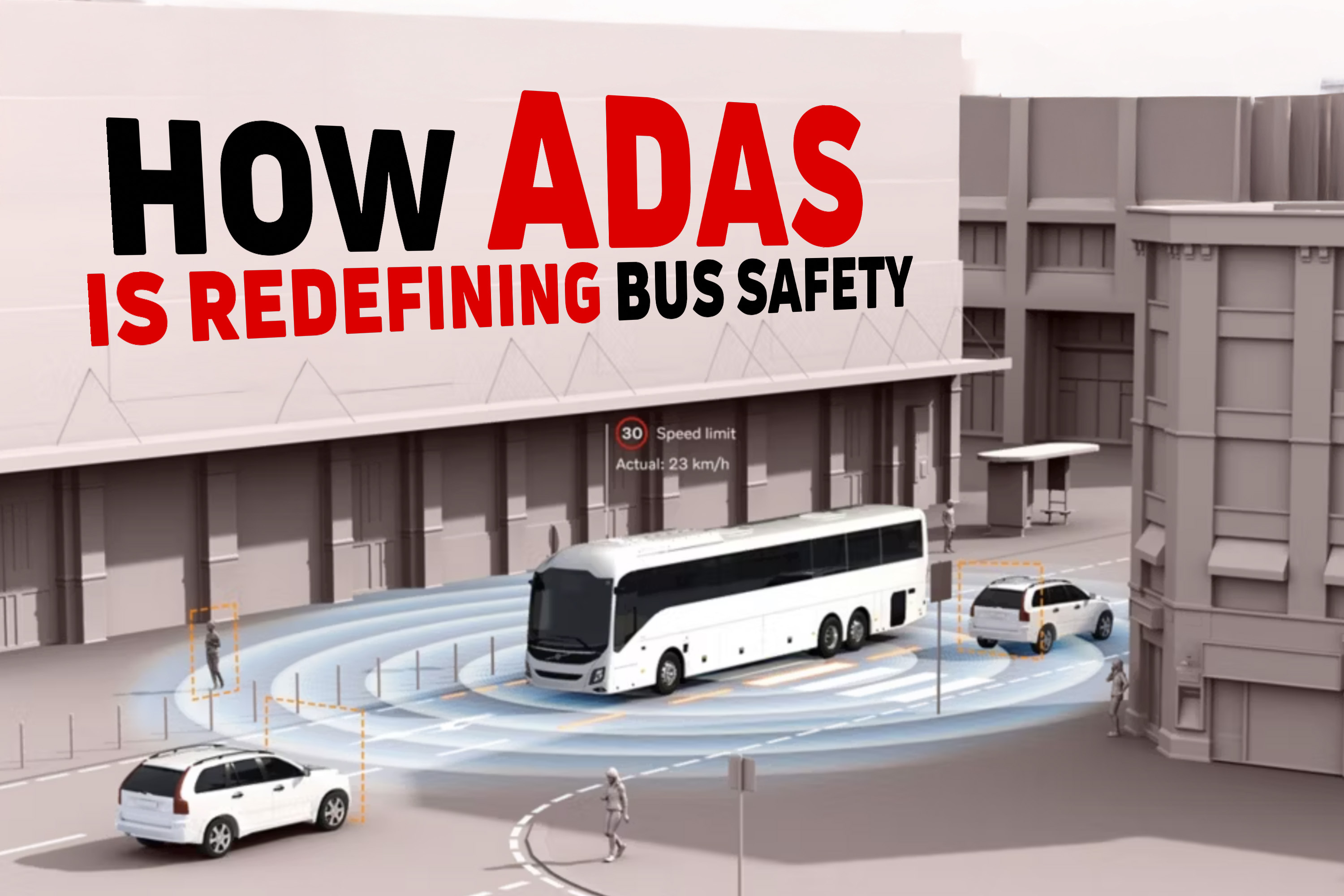
Public transit is undergoing rapid transformation. Buses have moved beyond the use of mechanical power and human drivers’ capabilities. Advanced Driver Assistance Systems, abbreviated as ADAS, have become integral to their daily operations. These technologies use cameras, sensors, and radar to observe traffic situations on a 24/7 basis. Each technology has a specific purpose to fulfill.
ADAS does not take away control from the drivers. Rather, it enhances the power of decision-making through the use of notifications. Since the information moves from detection to response, drivers get information at the time when it is most valuable.
Avoid Collisions and Ensure Safe Lanes
Prevention of collision has continued to be among the major elements that compose ADAS technology. Distance and speed difference measurements are features of forward collision warning systems. As collision likelihood rises, notification messages are sent to the driver. Automatic emergency braking is, however, applied under certain conditions.
Lane departure warning systems are an added safety feature. Cameras are installed that can detect the lane markings and monitor unplanned lane departures. If there is an unplanned lane departure without turning on the indicator, this safety feature alerts the bus driver. This feature can prevent fatigue on long routes and is beneficial on highways.
Blind Spot Monitoring and Driver Assistance
The blind spot is an area where large buses encounter difficulties on a regular basis. ADAS technologies rectify this problem by using side-mounted sensors to detect other vehicles in other lanes when the driver intends to make a lane change.
Driver monitoring systems improve driver awareness from within the vehicle. It involves the use of cameras that monitor the eye movements and position of the driver’s head. When indicators of distraction and driver fatigue are noticed, the system reacts accordingly. The aim stays in the realm of prevention rather than assessment.
Efficiency and the Future of Smart Buses
ADAS can also improve efficiency in operations. Adaptive cruise control helps in the control of speed and distance. Traffic sign recognition makes sure the driver is aware of road signs and laws. All these features help in lowering the driver’s workload and encouraging uniform driving.
The greater the road traffic density, the greater the need for smart safety solutions. In the case of buses, the ADAS solution is well balanced in terms of emphasizing safety, awareness, and reliability while still enabling human control.
For more updates, industry news, and expert perspectives on commercial vehicles, stay tuned to MotorFloor, your trusted source for comprehensive coverage across the commercial mobility sector.

motorfloor
Articles: 32Related Posts

Leafy Bus to Establish Private Bus Terminals Across India
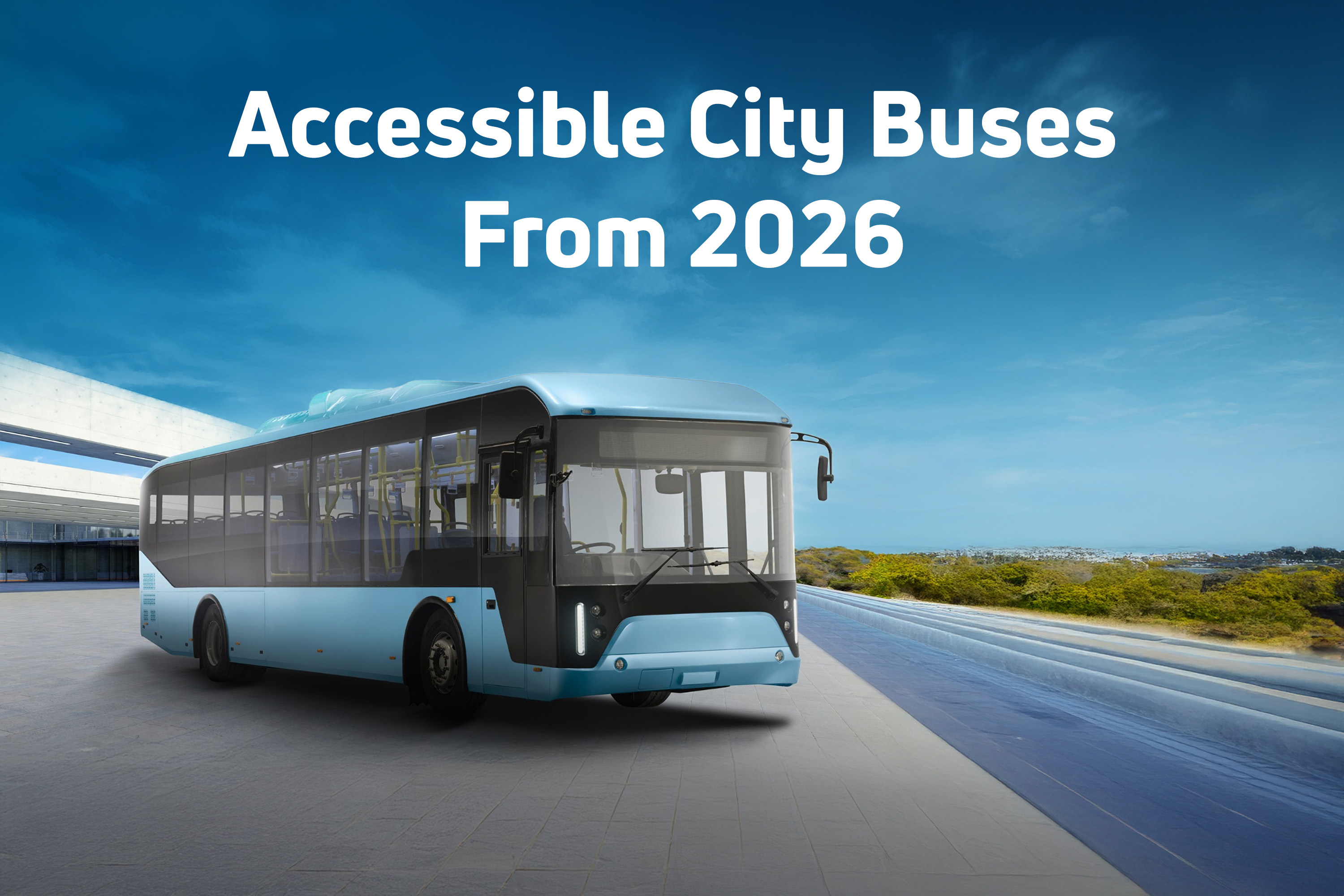
Big Shift in Urban Mobility: India Mandates Low-Floor Buses for All City Transit from October’26
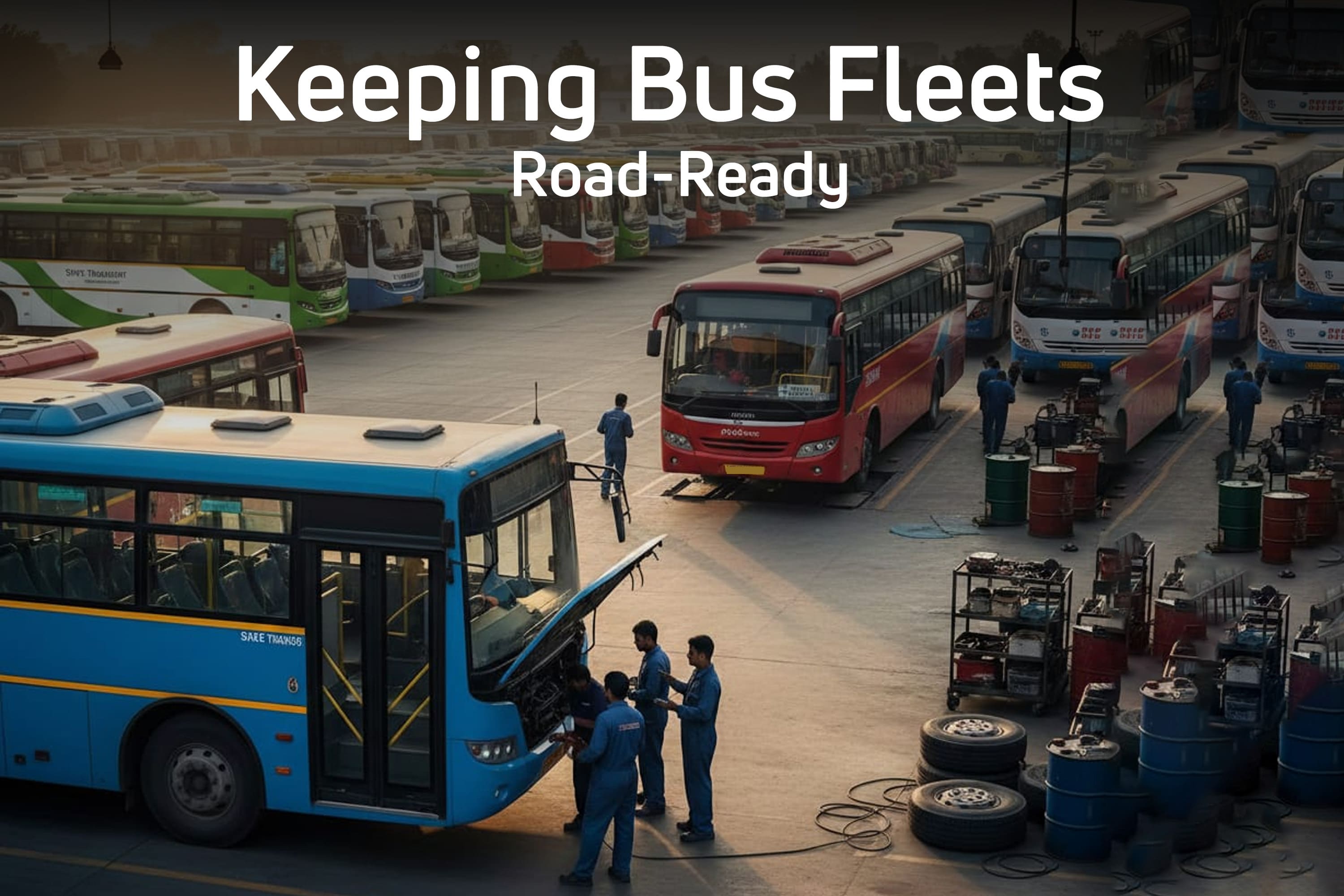
Preventive Maintenance Tips for Private & State Transport Bus Fleets

What to Look for When Buying a Used Bus in India

School Bus Buying Guide: Safety, Seating & Compliance in India