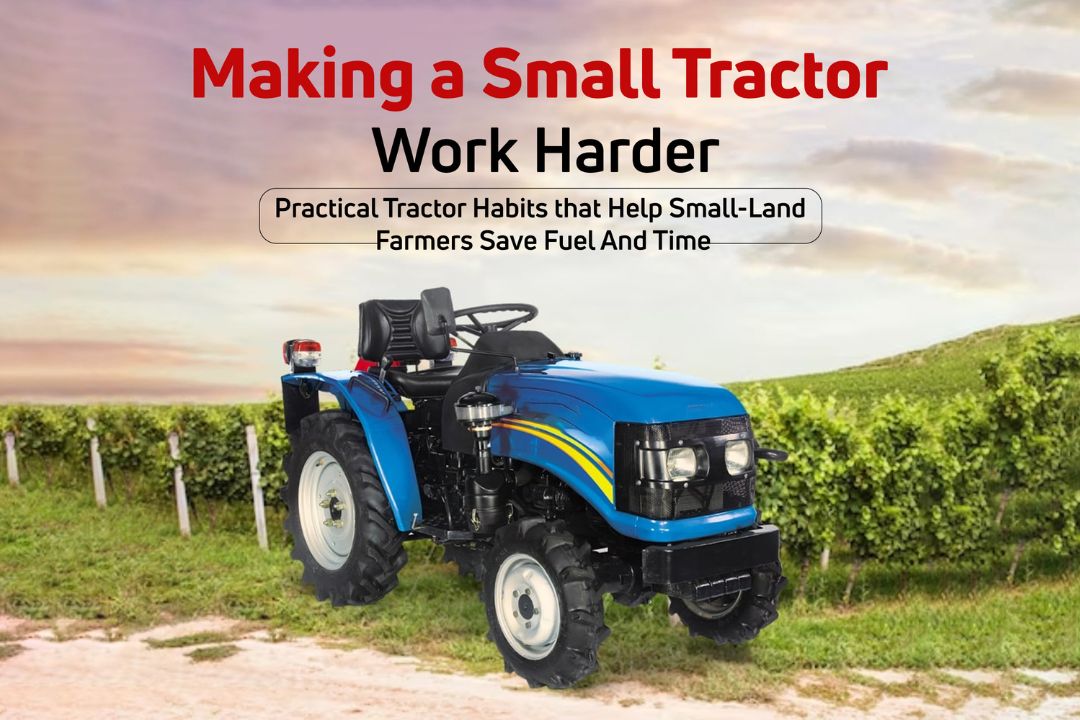

Best Tractor Practices for Small-Land Farmers in India
For farmers working on two, three, or four acres, a tractor is not a luxury. It’s usually the biggest investment on the farm, and once it’s bought, you’re stuck with it for years. That’s why small-land farmers tend to be more careful, sometimes even hesitant, before buying or using one.
The truth is, tractors can make life easier on small farms, but only if they’re used sensibly.
Start With the Right Expectations
A common mistake is thinking a tractor has to be powerful to be useful. On small plots, that logic doesn’t hold. Large tractors consume more diesel, need wider turns and often sit idle because they’re awkward to use in tight fields. For most farms under five acres, tractors in the 20–30 HP range are more practical. They’re easier to control, cheaper to maintain and don’t damage soil structure as much.
Another thing farmers learn the hard way: bigger tractors don’t automatically mean faster work. In narrow plots or orchards, smaller machines often finish the job sooner simply because they can move freely.
One Tractor, Many Roles
Small farmers rarely have the budget or the storage space for multiple machines. The real value of a tractor comes from how many jobs it can handle through the year.
A rotavator usually becomes the most-used attachment. It saves time during land preparation and reduces repeated passes. A cultivator helps later, especially for loosening soil and cleaning between rows without disturbing crops. When sowing season arrives, a seed drill makes a visible difference like uniform spacing, less seed waste and better crop stands.
For crop care, a tractor-mounted sprayer is safer and faster than manual spraying, especially during peak pest periods. And finally, a trailer quietly becomes the tractor’s best companion, hauling produce, fertilizer, water tanks and even construction material. Many farmers admit the trailer ends up earning more than the tractor itself.
Fuel Habits Matter More Than People Think
On small farms, fuel costs hurt more because margins are tight. Letting the tractor idle during breaks, running at high RPM unnecessarily, or making extra trips across the field slowly adds up. Farmers who plan their work, finish one section before moving, shut the engine off when waiting often notice fuel savings without changing anything else.
Maintenance isn’t Optional, it’s Survival
Dust is the enemy on Indian farms. Air filters clog faster than expected and once that happens, power drops and fuel use rises. Farmers who clean filters regularly avoid many mystery problems. The same goes for oil changes and checking for loose bolts or small leaks. These aren’t technical jobs; they’re habits.
Conclusion: What Really Works
Small farms don’t need complicated solutions. They need machines that fit the land, tools that do more than one job and routines that prevent breakdowns at the worst possible time. A well-used compact tractor doesn’t just reduce labour. It gives farmers control over time and on small farms, time is often the most valuable resource.

MotorFloor
Articles: 33Related Posts
When Is the Right Time to Buy a Tractor: Astrology Secrets Revealed
Common Tractor Problems During Indian Summers & How to Prevent Them
How to Change a Tyre Puncture on a Tractor: A Step-by-Step Guide
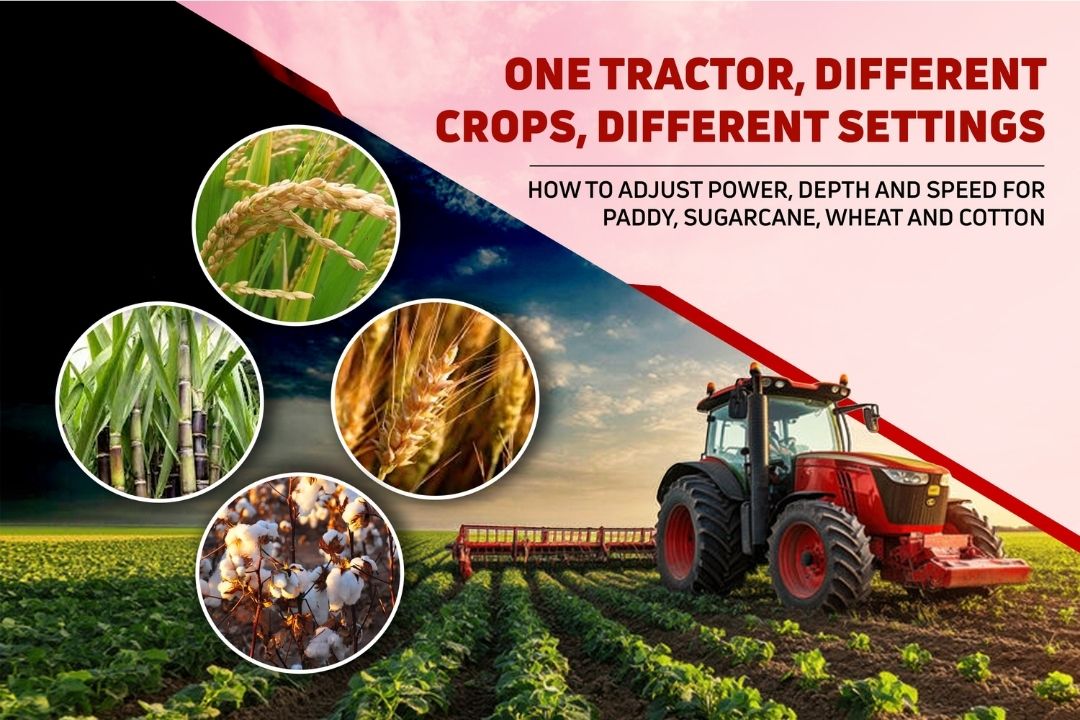
Best Tractor Settings for Paddy, Sugarcane, Wheat & Cotton Farming

Top Mistakes Farmers Make While Buying a Tractor & How to Avoid Them