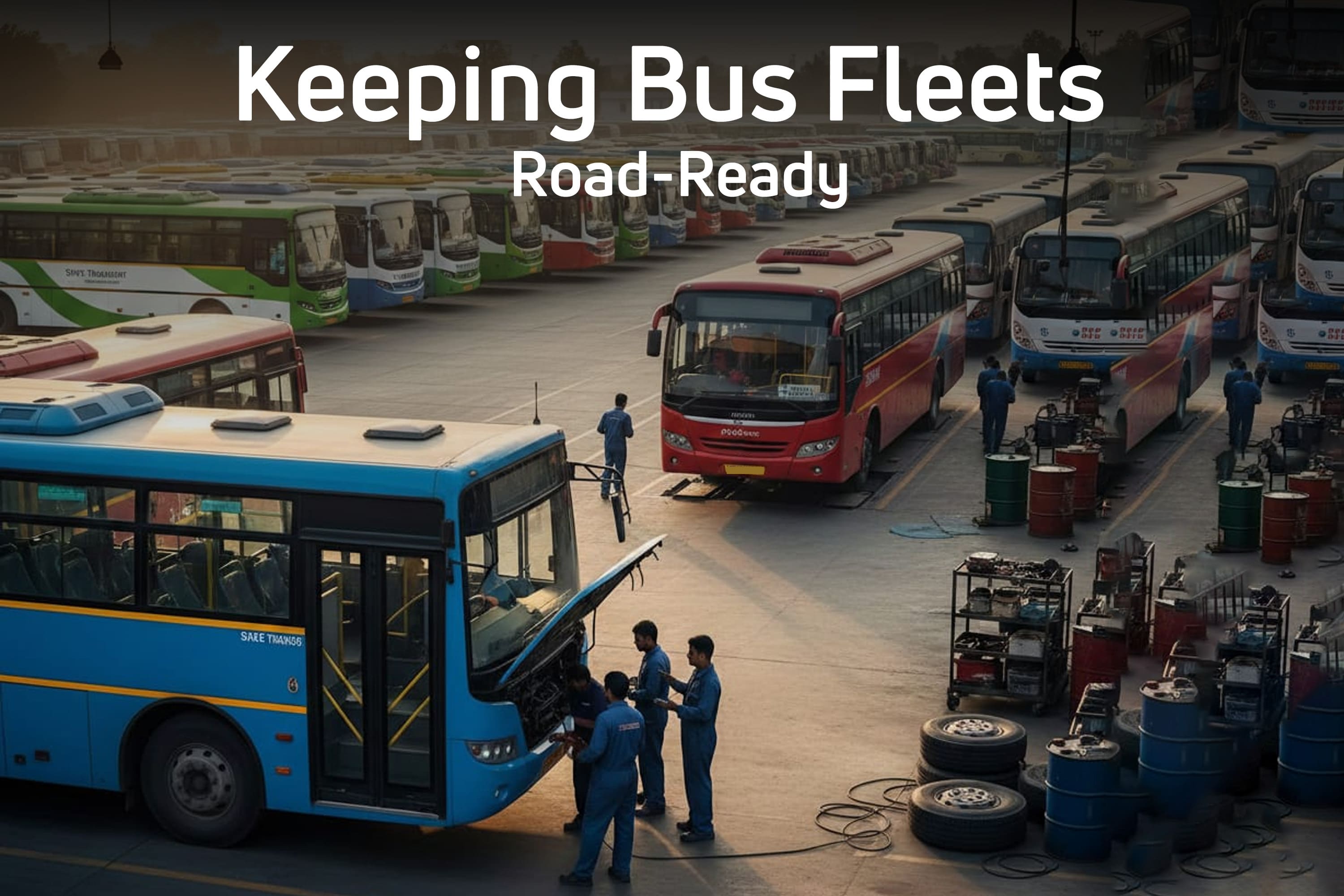

Preventive Maintenance Tips for Private & State Transport Bus Fleets
Importance of Preventive Maintenance Planning
Preventive maintenance is one of the most important elements in maintaining reliability across private and state transport bus fleets. Planning in advance helps operators avoid unexpected breakdowns and service delays. This structured approach not only helps control repair costs but also ensures a better life span for vehicles. In high-usage fleets, proactive servicing supports consistent route performance and ensures passenger safety.
Maintenance planning needs to be cognizant of vehicle age, route type, and operating conditions. Urban buses experience a different kind of wear compared to long-distance coaches; hence, the service scheduling would have to be aligned with real use for effectiveness and efficiency in maintenance and preventing unnecessary unproductive periods.
Routine Inspections, Mechanical Service
Daily and weekly checks are the cornerstone of preventive bus maintenance. It is the responsibility of the driver to check the braking system, lighting, tires, steering, and level of fluids before departing. This will give him an early indication of any mechanical fatigue. Weekly checks will include belts, hoses, batteries, and air services, which tend to wear out with regular usage.
Proper engine and transmission maintenance requires strict observation. Regular oil change intervals must comply with the recommended schedule determined by the manufacturer and adjusted based upon operating conditions and environmental factors. Cooling and filtration systems and lubricants must be checked thoroughly to eliminate overheating and engine wear issues, which are still the most common contributing factors to roadside breakdowns.
Safety Systems and Tire Management
Brake components require regular attention because of the direct effect on safety. Brake pads, drums, air lines, and actuators must be subjected to regular checks and replaced. Preventive replacement is a good way to guard against failure and ensure that the braking system is efficient even when the vehicle is loaded with passengers.
Tire maintenance also has an effect on fuel efficiency and stable handling capability. Propper tire inflation leads to reduced wear and extended tire life. Alignment verification helps eliminate potential steering and suspension system failure. Trending tire data tracking promotes optimal replacement scheduling.
Documentation & Workforce Readiness
Proper maintenance records help in effective management of the vehicle fleet. The maintenance records help in determining the recurring failures. The records help in maintaining compliance for the state transport vehicle fleets.
Qualified technicians and educated drivers improve the results of maintenance. Drivers who can identify signs of trouble facilitate quicker actions. Checklist procedures and well-trained personnel allow for better results.
Preventive maintenance, when properly planned and implemented, is helpful in ensuring both the safety and effectiveness of transport operations in both public and private transportation sectors, such as the provision of bus services.
For more updates, industry news, and expert perspectives on commercial vehicles, stay tuned to MotorFloor, your trusted source for comprehensive coverage across the commercial mobility sector.

motorfloor
Articles: 32Related Posts

Leafy Bus to Establish Private Bus Terminals Across India

Big Shift in Urban Mobility: India Mandates Low-Floor Buses for All City Transit from October’26

What to Look for When Buying a Used Bus in India

School Bus Buying Guide: Safety, Seating & Compliance in India
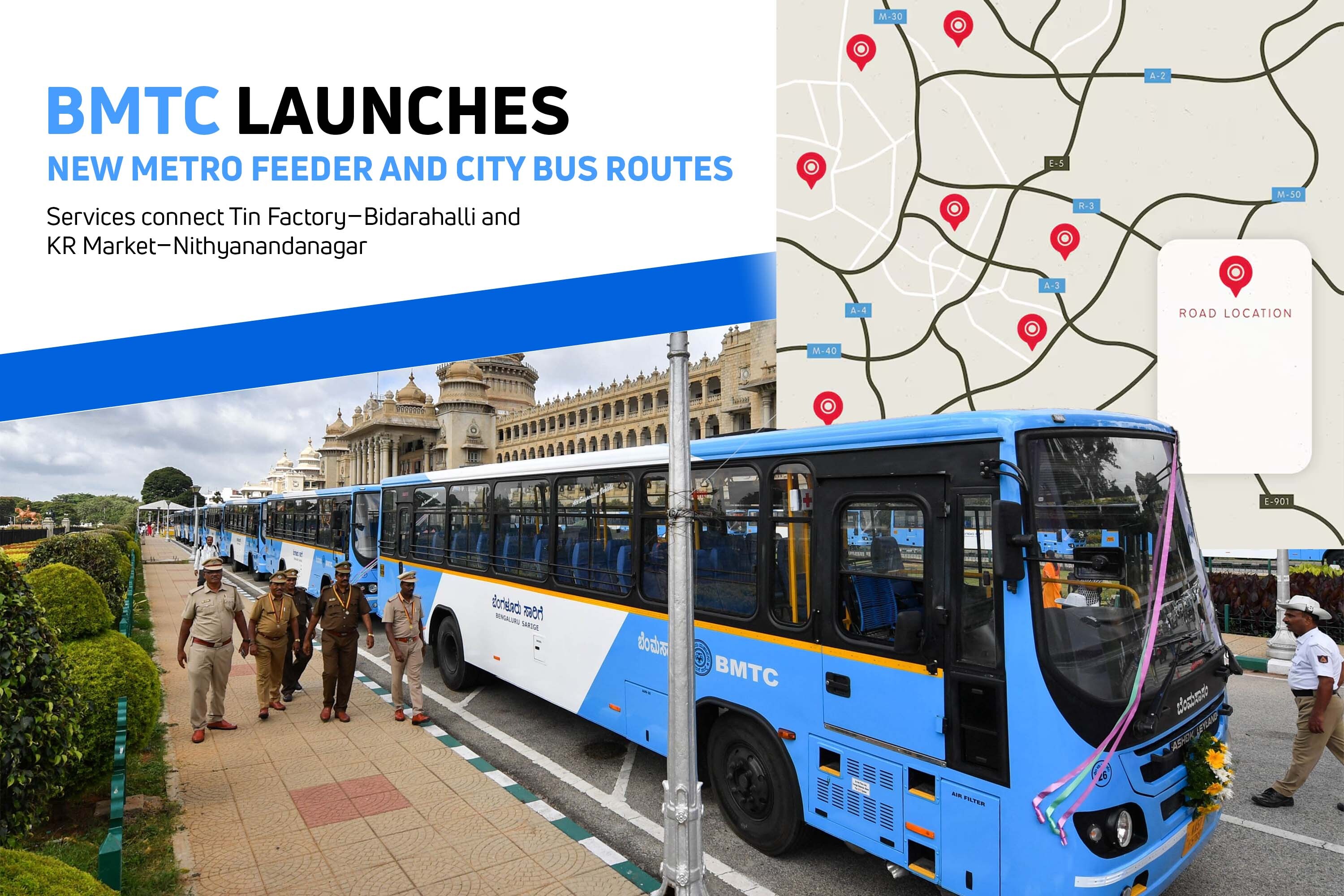
BMTC Introduces New Metro Feeder and City Bus Routes