
Bus Stops to Doorsteps: The Hidden Role of Three-Wheelers in Daily Commutes
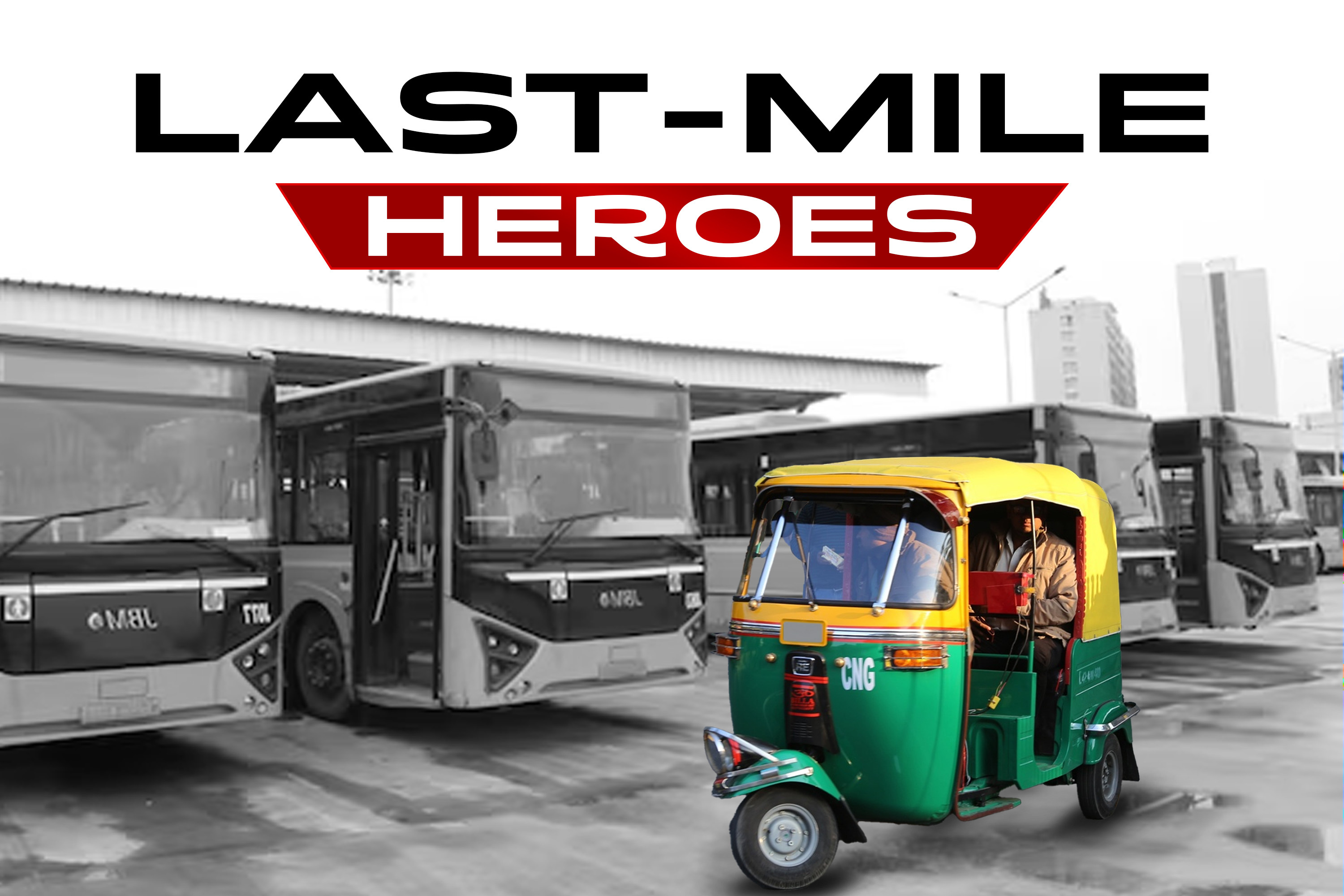
For commuters in urban areas, reaching the bus stop is just the beginning of their journey. The distance from the bus stop to the destination, known as the “last mile,” can sometimes be inconvenient or time-consuming. In this scenario, three-wheelers, whether electric or petrol, have a crucial role to play. Although they are small in size, they are an important link in the transport chain for commuters in urban areas.
Bridging the Gap in Urban Transit
Three-wheelers, whether EV or fuel-based, hold a very important place in urban transport. They are not like buses or larger vehicles, which face problems in navigating through congested areas. However, three-wheelers can easily move through congested areas. Many people use buses for the major part of their commute. However, the first and last mile of the commute can be difficult. Three-wheelers can easily complete this task, thereby bridging the gap between the major routes of public transport and the destination.
Electric vs. Conventional Three-Wheelers
Electric three-wheelers are gaining popularity in urban areas. They are environmentally friendly, noise-free, and offer economical short-distance travel. Conventional fuel-based three-wheelers, on the other hand, are very popular due to their low cost and easy maintenance.
Improving Connectivity of Public Transport
Three-wheelers, by carrying commuters over short distances, decrease the need for private transportation, thus relieving traffic congestion. The presence of three-wheelers thus improves the connectivity of public transport, ensuring that the bus and metro networks remain functional and efficient.
Technology and Future Prospects
The use of ride-sharing services and mobile applications has completely changed the way commuters interact with three-wheelers. Passengers can now easily book a ride, compare available services, and select between electric and traditional vehicles.
Conclusion
Despite their small size, three-wheelers have a disproportionately large impact on commuting patterns. They provide a link between public transport and residential and office areas, relieve congestion, and provide flexible mobility solutions. It is important to acknowledge their contribution in order to ensure efficient and accessible urban transport systems in the future.
For more updates, industry news, and expert perspectives on commercial vehicles, stay tuned to MotorFloor, your trusted source for comprehensive coverage across the commercial mobility sector.

motorfloor
Articles: 31Related Posts
Mahindra LMML Unveils Udo: A New Electric Three-Wheeler Targeting City Commuters
How Indian Three-Wheelers Compare with Global Safety Norms
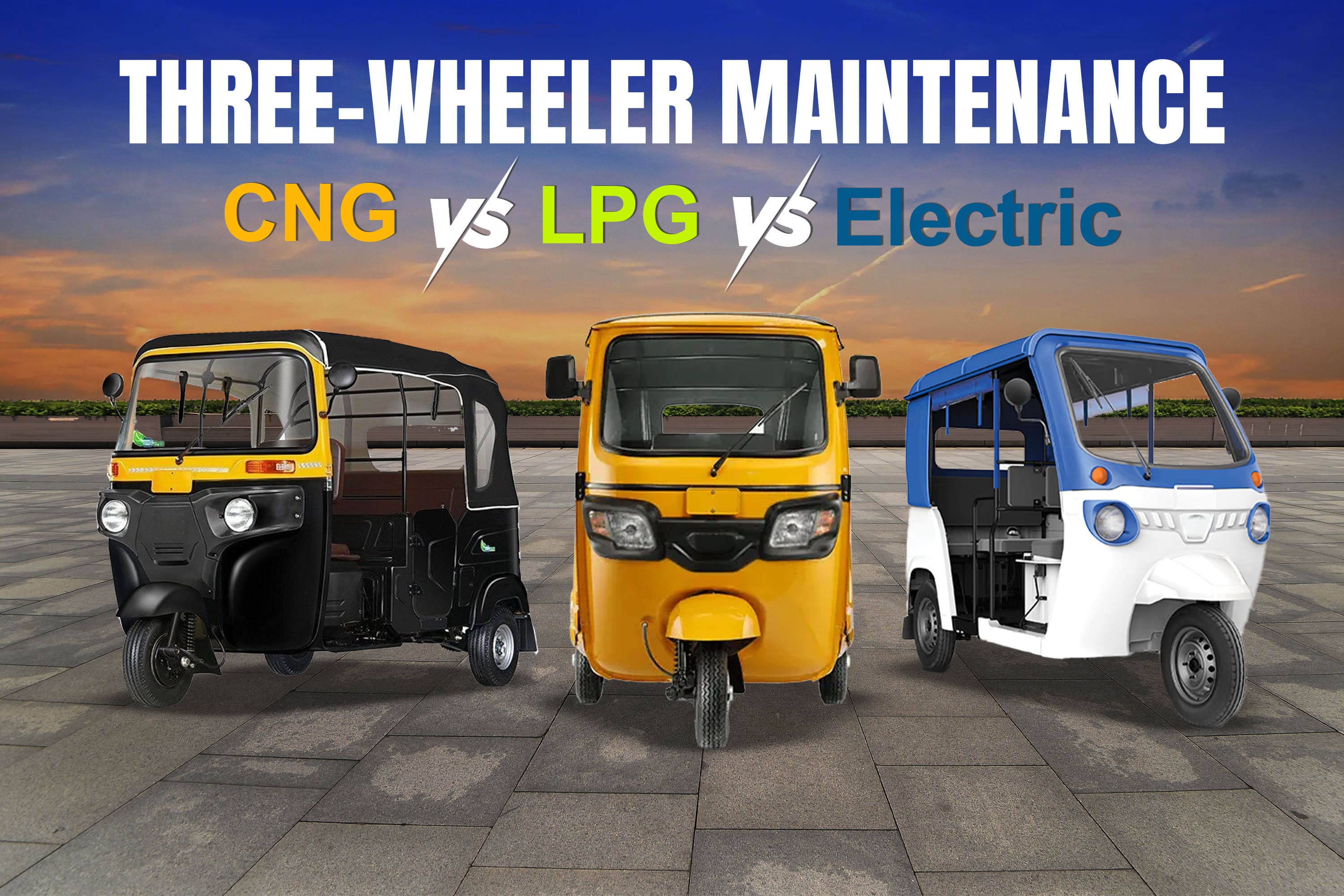
CNG, LPG or Electric Three-Wheelers: Maintenance Differences Explained
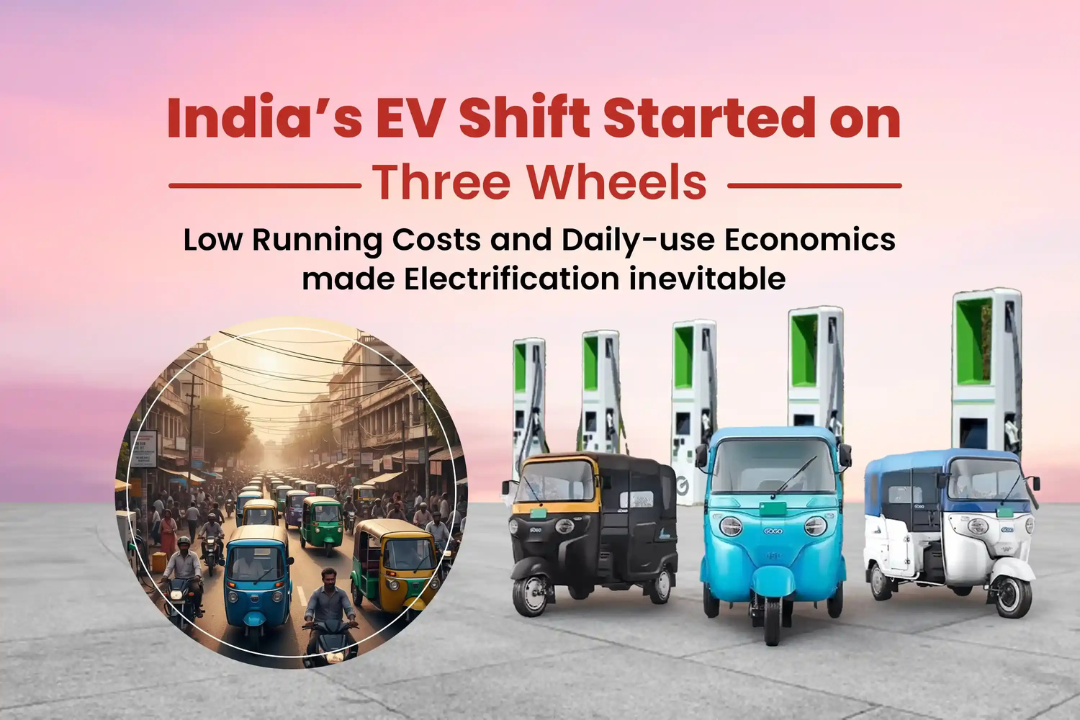
Why EV Adoption Is Fastest in the Three-Wheeler Segment in India
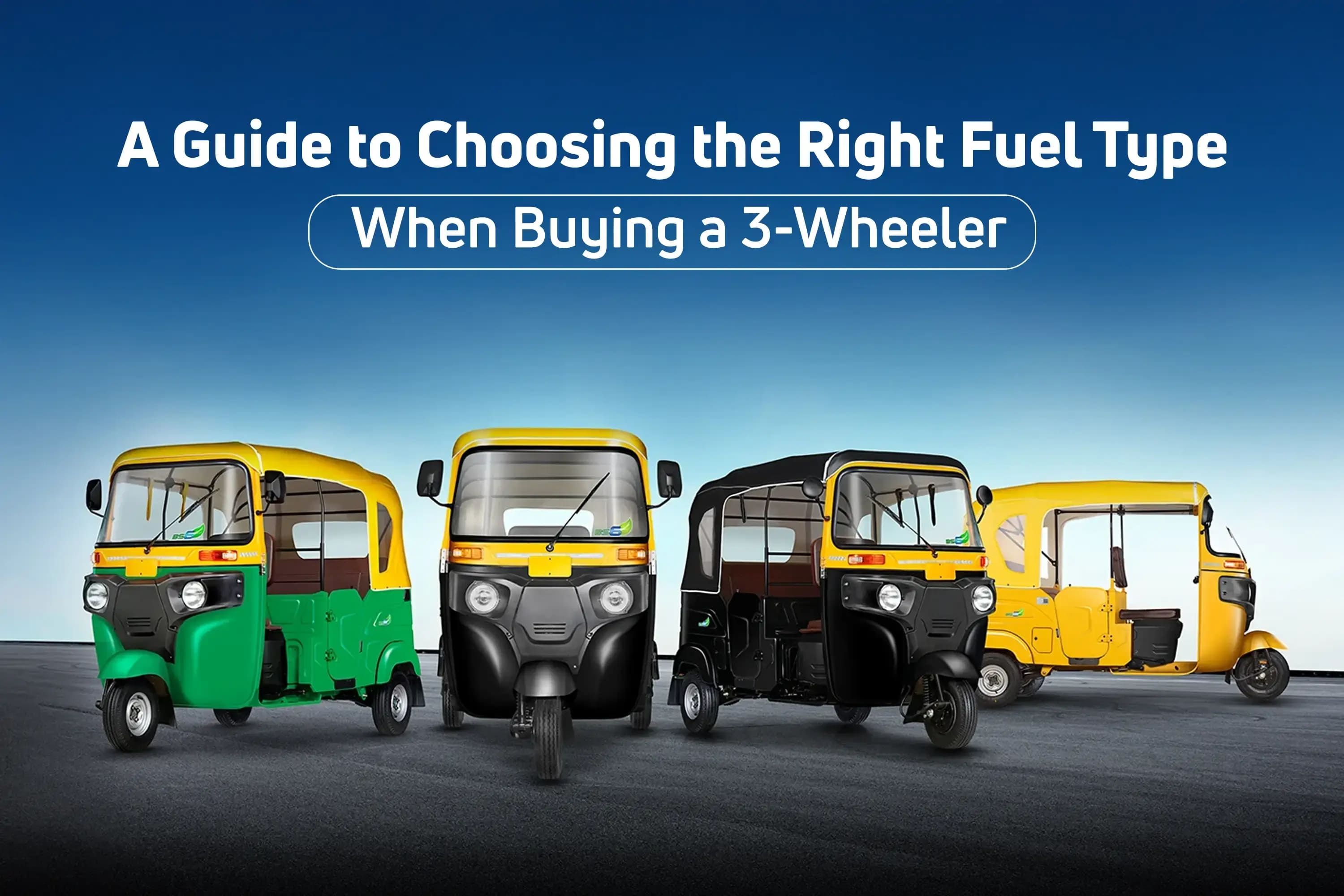
Best Passenger Auto Rickshaw for City Use in India: Fuel Type & Models