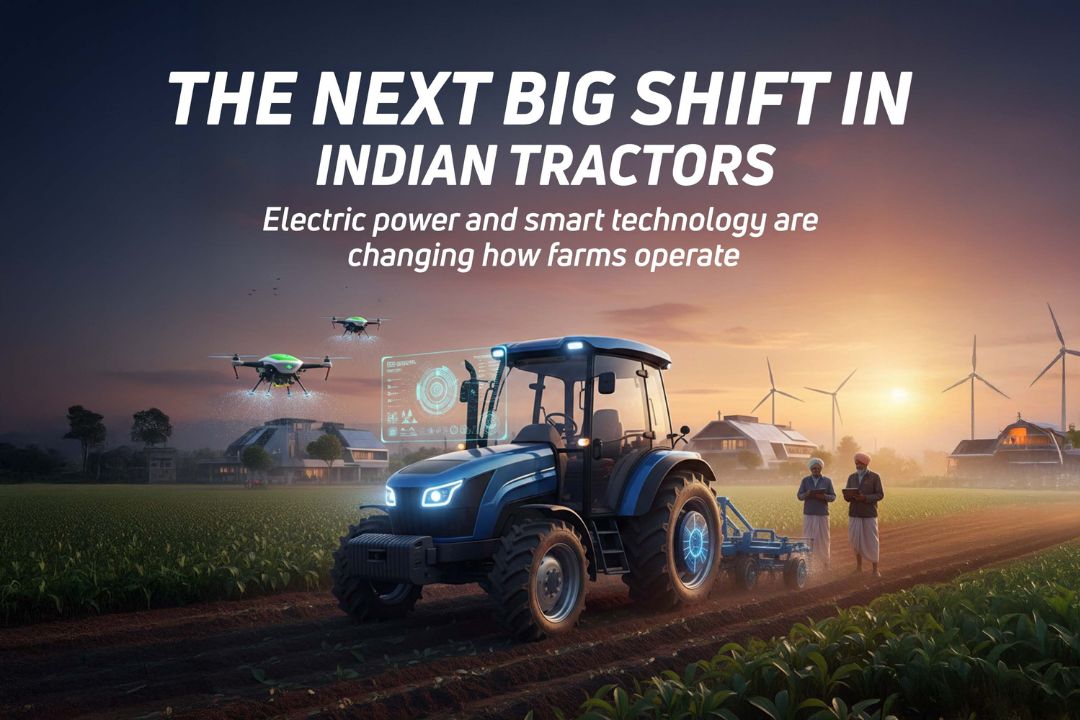

The Future of Tractors in India: Electrification, Automation & Smart Farming
For most Indian farmers, tractors have always meant diesel. Diesel tractors worked, so that was that. But quietly, that assumption is starting to crack. Not because farmers suddenly demanded electric tractors, but because energy costs, pollution and technology are all pushing agriculture in a direction it can’t ignore anymore. Tractors, sitting right at the centre of farming activity, are now part of that shift whether we’re ready for it or not.
Tractors and Diesel: An Overlooked Problem
When diesel use is discussed in India, attention usually goes to transport like trucks, buses and power generators. Agriculture rarely gets mentioned.
That’s strange, because farming uses around 14–16% of the country’s diesel and tractors are the main reason. Tractor sales crossed 900,000 units in a year and mechanisation is still spreading into smaller and smaller farms. Diesel use here isn’t shrinking anytime soon. Add to that the fact that India imports most of its crude oil, and suddenly tractors don’t look like a small issue anymore.
Why Electric Tractors Are Being Taken Seriously Now
Electric tractors aren’t new as an idea. They’ve existed in labs and exhibitions for years. What’s changed is the timing. Fuel prices are unpredictable, maintenance costs are rising and emissions are becoming part of policy decisions everywhere.
Electric tractors don’t emit smoke. Studies suggest that if agriculture moves meaningfully toward electric machines, emissions from the sector could drop by roughly a quarter over time.
Electric drivetrains are simpler because of fewer moving parts and no oil changes. Electricity is cheaper than diesel and doesn’t swing wildly every few months. ICAR studies suggest operating costs could fall by up to 40%. For farmers working on thin margins, that’s hard to ignore.
Power Doesn’t Always Have to Come From a Fuel Pump
There’s another angle here that doesn’t get talked about enough: energy independence. Electric tractors make solar charging realistic in a way diesel never could. Not everywhere, not overnight but the idea of charging farm equipment using locally generated power suddenly exists.
In a country trying to reduce imports and push renewables, this fits neatly. It’s not a magic fix, but it’s a direction diesel simply can’t offer.
This Isn’t Just a Global Story: It’s Happening in India
The Montra Electric E27 is already available in India. It’s the first electric tractor available commercially in the country. The E27 delivers 27 HP of maximum power, offers an equivalent peak torque of 90 Nm, and comes with both 2WD and 4WD variants, making it suitable for a wide range of farming tasks. The availability of 4-wheel drive is especially important for orchard work, wet fields and operations where traction matters more.
Put simply, the E27 is designed to feel familiar in use, even though the technology underneath is completely different from a diesel tractor.
Final Thoughts
Diesel tractors aren’t disappearing anytime soon. They’re proven, familiar and still essential for heavy work. But the direction is clear. The future tractor in India won’t just be stronger, it will be cleaner, quieter and far more intelligent. Electrification and automation aren’t replacing farmers. They’re reshaping how farming tools behave.
India’s tractors are evolving with electric power and smart technology. See how EVs, automation and digital farming will shape the future.
future of tractors in India, electric tractors India, smart farming technology, automation in agriculture, Montra electric tractor E27, EV tractors India, sustainable farming equipment

MotorFloor
Articles: 33Related Posts

Best Tractor Practices for Small-Land Farmers in India

When Is the Right Time to Buy a Tractor: Astrology Secrets Revealed
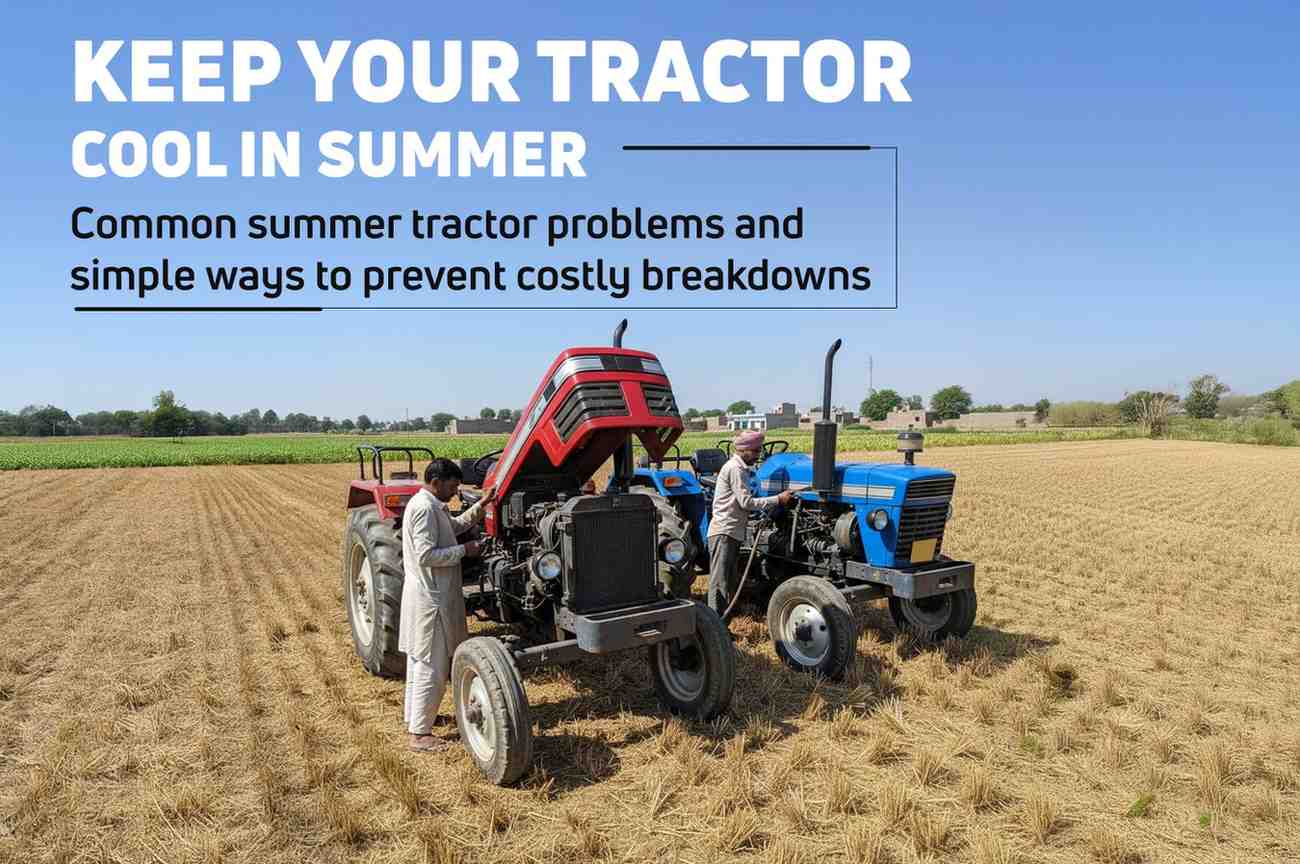
Common Tractor Problems During Indian Summers & How to Prevent Them
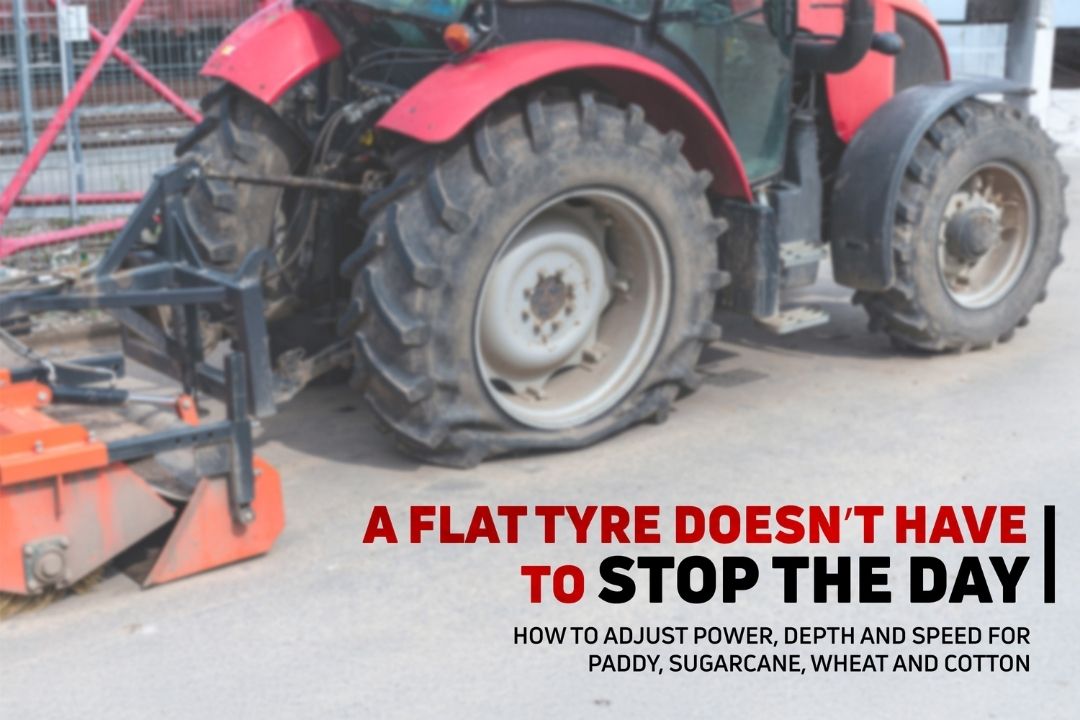
How to Change a Tyre Puncture on a Tractor: A Step-by-Step Guide
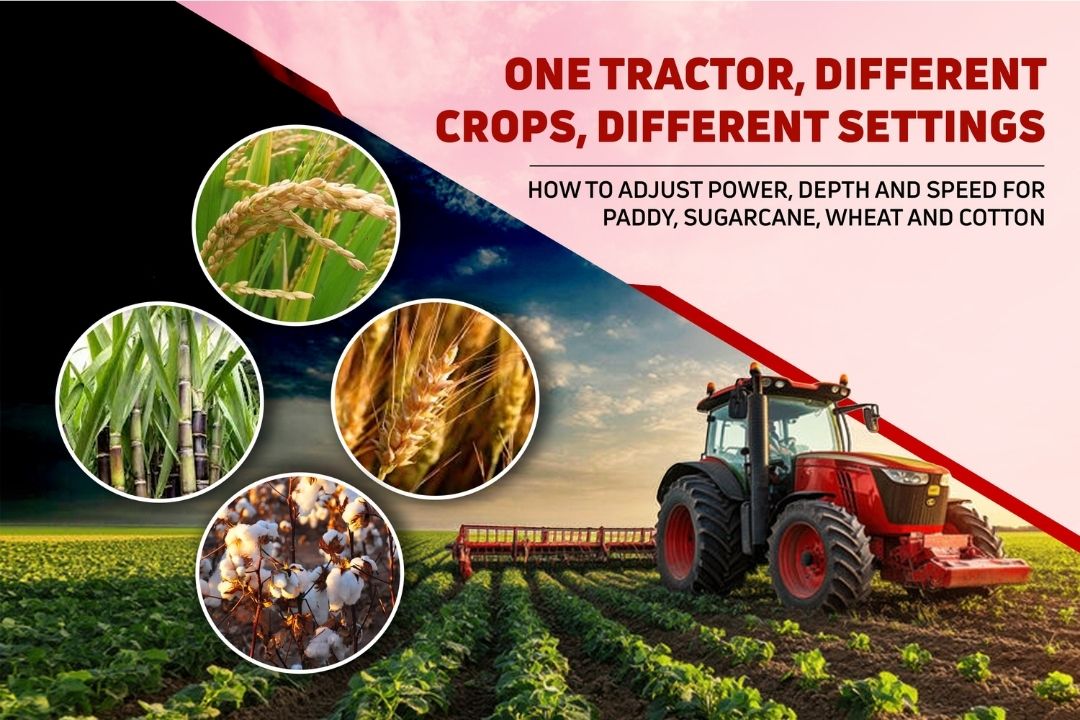
Best Tractor Settings for Paddy, Sugarcane, Wheat & Cotton Farming