
What to Look for When Buying a Used Bus in India
Introduction
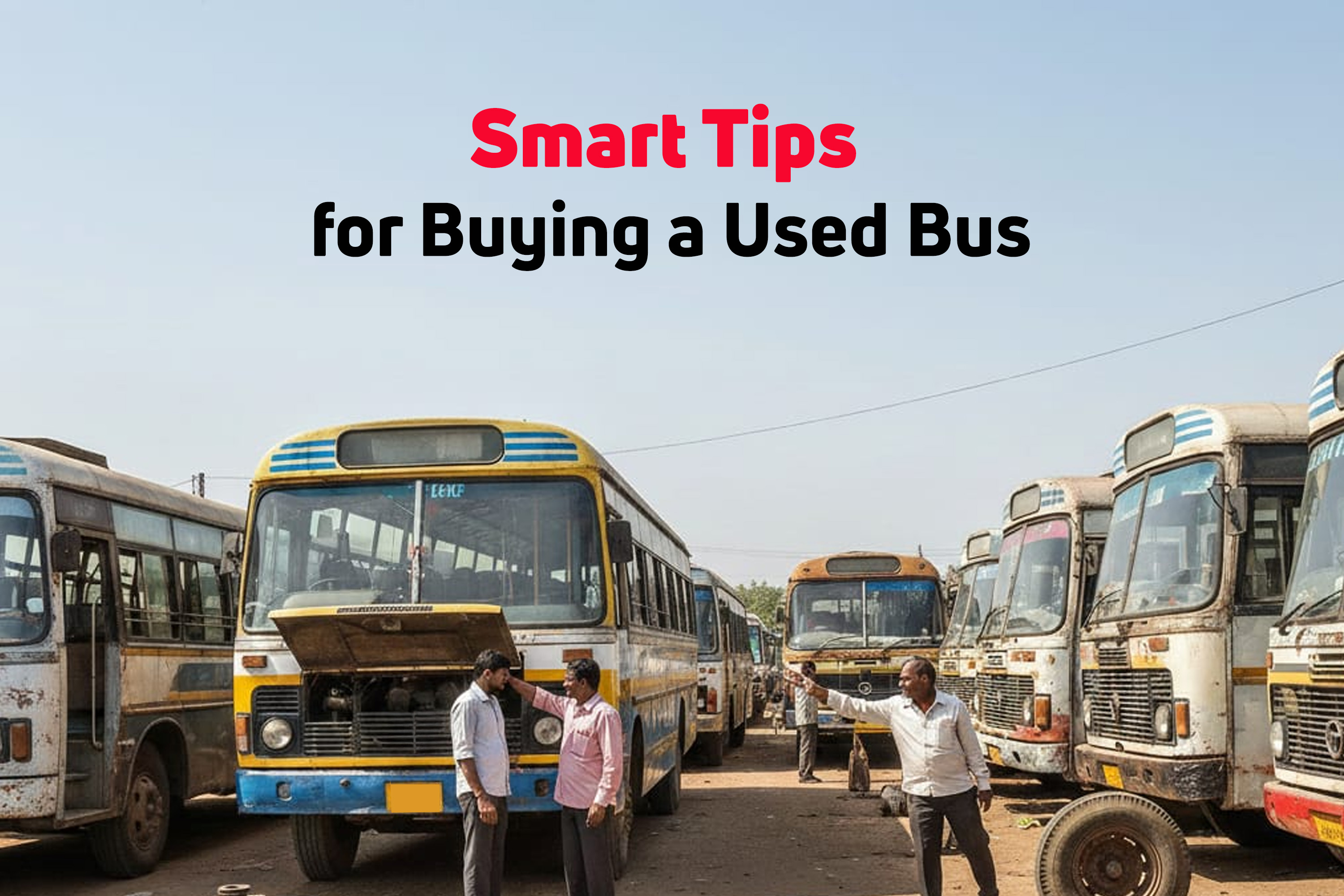
For a transportation company looking for a cheap means of expanding its fleet or a potential businessman who wants to enter the transportation sector, purchasing a second-hand bus may be a wise decision. Despite that, second-hand buses may have some hidden problems that may result in increased expenses if ignored. This article explores some of the key areas that one needs to check when looking at a second-hand bus.
Engine/Transmission Inspection
The engine also comes first, as it is regarded as the heart of the car. The engine plays an important role in making this vehicle run in a smooth way and also in avoiding costly repairs in future years. The engine must be checked for leaks of oil, unusual noise, smoke, or irregular idling. The next step is to examine the transmission system in the vehicle. Easy shifting of gears without resistance or jerks means that its transmission system and clutch are also good.
Brakes, Suspension, and Tyres
Passenger safety is largely contingent on brakes. Brakes need to have their pads, discs, and hydraulic lines checked for any degradation or damage to ensure functionality. The suspension system is directly related to the factors of handling and comfort. Thus, one also checks the condition of the shock absorbers, leaf springs, and suspension system. Tyres must display balanced usage and have een tread depth.
Body, Interiors, and Electrical Systems
The body/chassis represents the strength of the bus. One needs to inspect for any sign of rust, dents, or accident history. Functional interior fixtures, including seats, handrails, and doors, ought to operate in an error-free manner. The electrical fixtures, including lighting, warning lights, fans, or battery points, ought to be in good working condition to preclude any downtime issues. A clean interior spares one any potential future repairs.
Documentation and Test Drives
Check all documents: registration documents, documents related to insurances, pollution documents, and service documents. Incomplete documents may result in legal disputes or penalties. Take a test drive of the vehicle under traffic conditions to check for engine performance, brakes, steering, and interior. A simple test drive may show discrepancies that aren’t seen through inspection.
Used Bus Buyer’s Checklist
| Component | What to Check | Why It Matters |
| Engine | Oil leaks, unusual noises, smoke, idling | Ensures smooth performance, avoids costly repairs |
| Transmission | Gear shifts, clutch response | Confirms smooth driving, avoids breakdowns |
| Brakes | Pads, discs, hydraulic lines | Passenger safety and compliance |
| Suspension | Shock absorbers, leaf springs, linkages | Comfort, handling, reduces wear on tyres |
| Tyres | Tread depth, even wear, alignment | Safety and reduced maintenance costs |
| Chassis & Frame | Rust, dents, repairs | Structural integrity and longevity |
| Interiors | Seats, doors, handrails, cleanliness | Passenger comfort, reduces repair costs |
| Electrical | Lights, indicators, battery, fans | Safety, avoids operational delays |
| Documentation | Registration, insurance, pollution certificate, service history | Legal compliance, avoids fines |
| Test Drive | Engine response, braking, steering, comfort | Reveals hidden mechanical issues |
When it comes to the purchase of a second-hand bus in India, one needs to consider mechanical, physical, and other technical and legal aspects. While one adheres to this list for the purchase of the second-hand bus, you can make certain that you have acquired a second-hand bus that is safe and economic for you.
For more updates, industry news, and expert perspectives on commercial vehicles, stay tuned to MotorFloor, your trusted source for comprehensive coverage across the commercial mobility sector.

motorfloor
Articles: 31Related Posts
Leafy Bus to Establish Private Bus Terminals Across India
Big Shift in Urban Mobility: India Mandates Low-Floor Buses for All City Transit from October’26
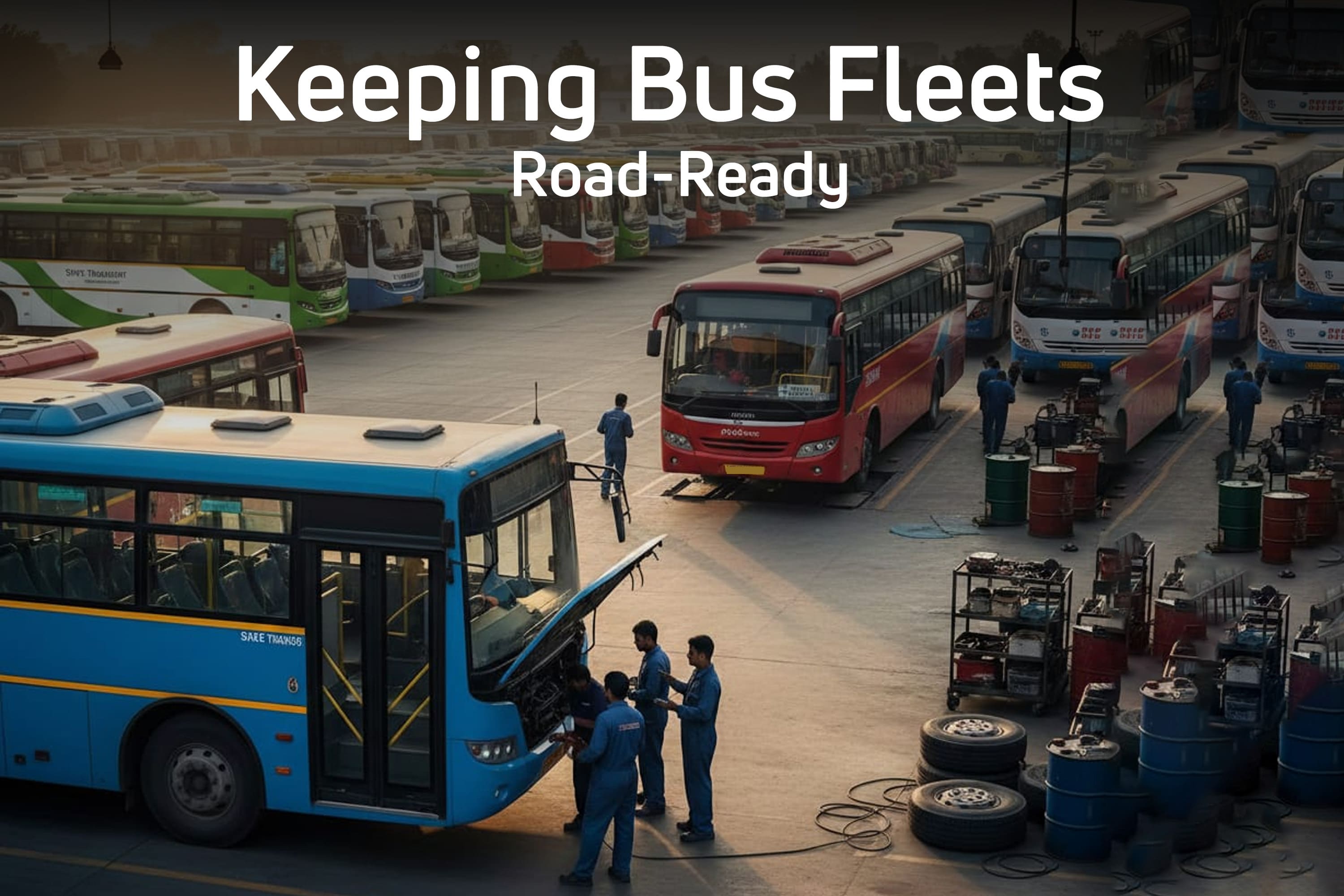
Preventive Maintenance Tips for Private & State Transport Bus Fleets
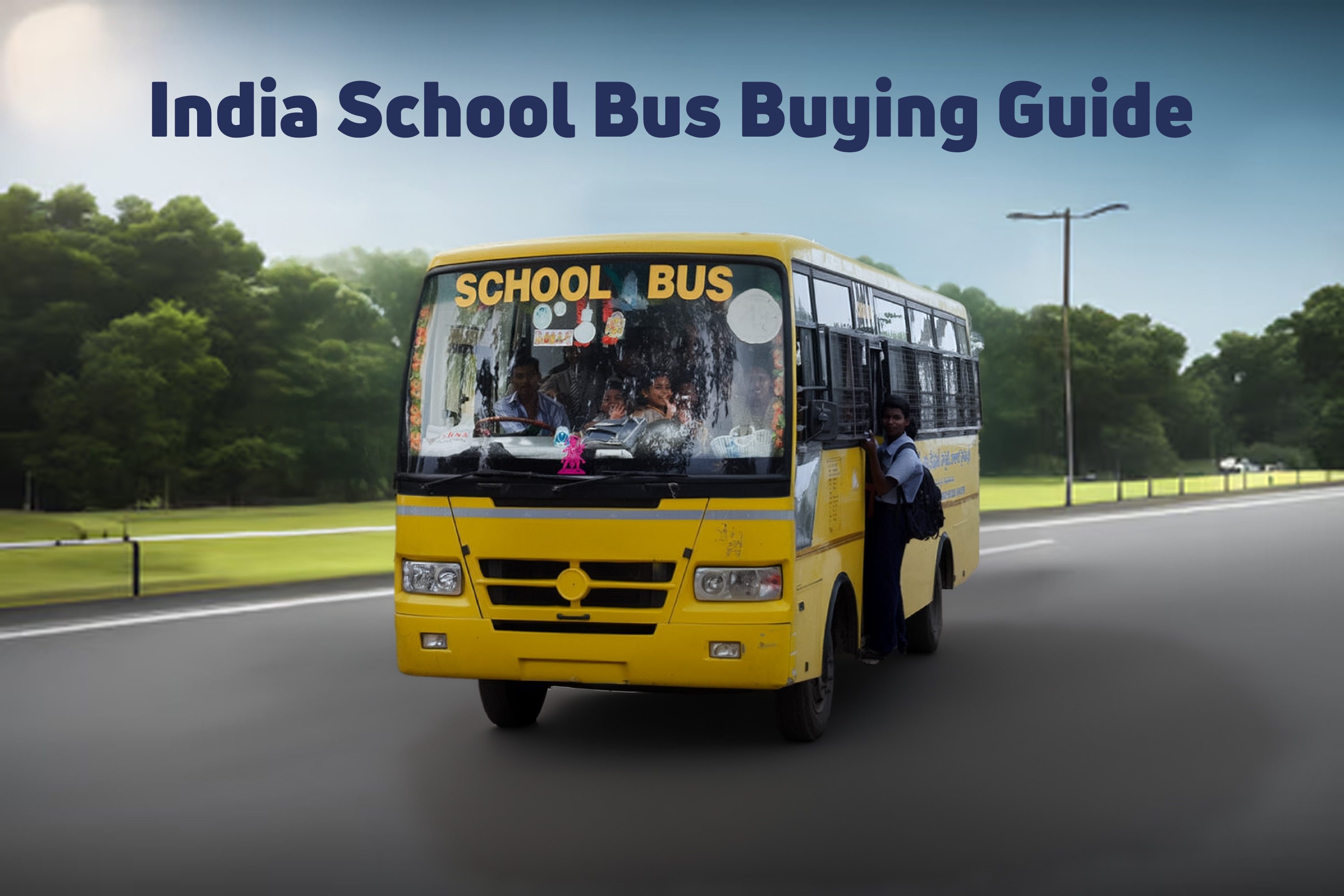
School Bus Buying Guide: Safety, Seating & Compliance in India
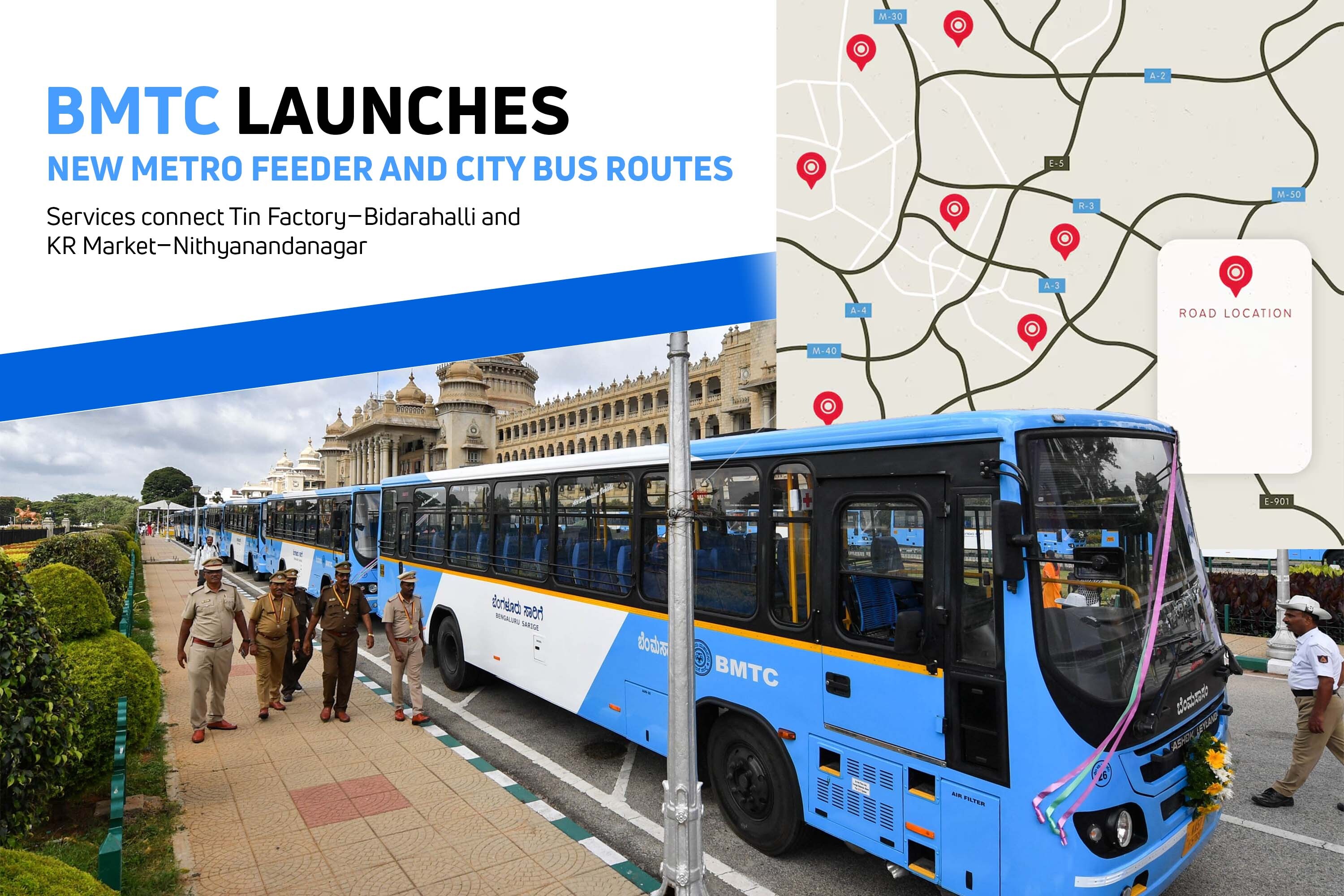
BMTC Introduces New Metro Feeder and City Bus Routes