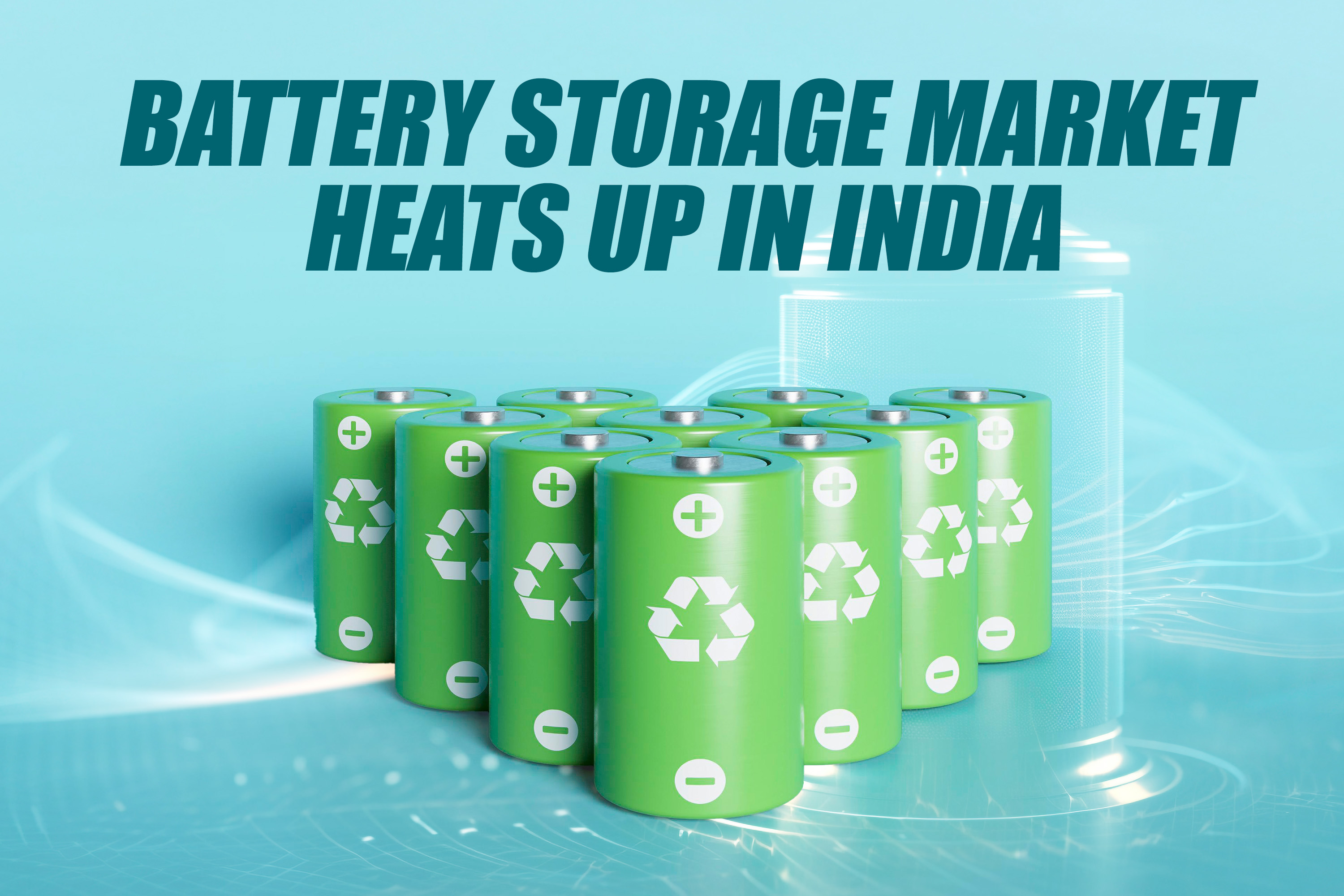

India’s Battery Energy Storage Market Sees Rising Competition Amid Rapid Growth
The battery energy storage sector in India is going through a rapid evolution with increased competition from manufacturers, developers, and investors in this area. The government policies, targets for renewable energy, reduced costs of technology, and increased involvement by private players are turning this area into a major part of India’s energy storage system.
The energy storage requirement is also tied to the renewable energy target in India. The Indian government has set a target to achieve 500 gigawatts (GW) of renewable power by 2030, thus emphasizing the need for energy storage solutions for balancing intermittency in wind and solar power generation. Since 2018, tenders for a cumulative energy storage capacity of 171 gigawatt-hours (GWh) have been rolled out in India, with over 55 GWh in just the first half of 2025. Both standalone battery energy storage and hybrid solutions consisting of renewable sources account for the major chunk in these schemes. The first half of 2025 has observed 6.1 GW in standalone energy storage tenders, which account for 64 percent in utility-scale energy storage tendering.
Government incentives are further adding to the degree of competition. The Viability Gap Funding (VGF) supports storage schemes in terms of initial investment, and the waiver of transmission charges when interconnecting renewables further aids economic viability. As a manifestation of this competition, the conventional electricity companies along with the independent power producers and storage entities are competing keenly on the basis of tariffs and technological and service offerings.
Additionally, technological advances and reduced costs are driving market growth. Globally, the price of batteries has come down substantially over the past decade, and battery energy storage systems (BESS) are becoming increasingly attractive for providing support to the electricity grid, peaking, and renewables firming. In 2024, India added 178 MWh of storage capacity, while tenders of 67 GWh accumulated. Estimates forecast that the total storage capacity of BESS is likely to touch 250 GWh by 2032, with investments of close to INR 4.79 lakh crores.
Another factor that increases competitiveness is the diversity of market participants. Energy majors, state-owned utilities, multinational technology corporations, and local storage providers participate in the tender process. This ensures that innovation takes place in the areas of battery management solutions, modular solutions, life cycle services, and second-life solutions. For the consumer, this means better choices, performance assurances, and warranties. For the industry as well, this ensures that the supply chain is improved and local manufacturing is favored.
There would be healthy competition, which would result in reduced costs, increased innovations, and minimized risks in terms of delivery. The developers would further work on their projects in a way that tariffs would be minimized, but the standards would not vary. There would be differentiation on the back of technology, which would result in enhanced battery technologies, software, or linkages with renewable forecasting. Further, the presence of a competitive market would result in a more secure supply, in which various companies would be ready in case the company experiences delays or financial obstacles.
Still, there are many issues that must be addressed, especially those concerning bids that can adversely affect quality. Clearly, standards must be set in order not to restrict entry while at the same time achieving quality through a process of phased procurement that can provide long-term value.
On the whole, the competitiveness in the battery energy storage systems market in India signifies maturity and importance. In short, the market will help create a clean, reliable, and resilient energy system in India through cost reduction, innovation, and flexibility.
For more updates, industry news, and expert perspectives on commercial vehicles, stay tuned to MotorFloor, your trusted source for comprehensive coverage across the commercial mobility sector.

motorfloor
Articles: 32Related Posts
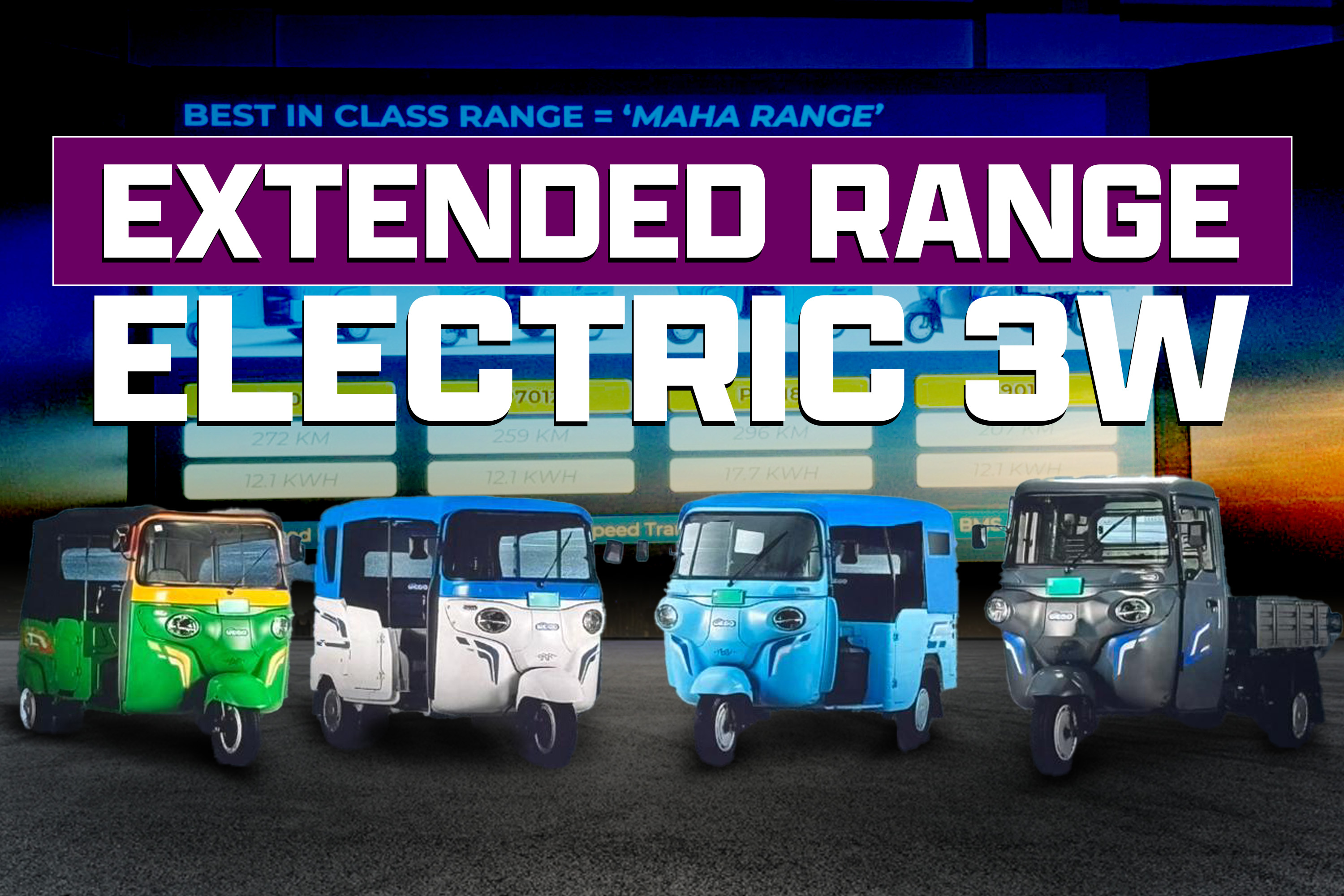
Bajaj Auto Rolls Out WEGO Electric Three-Wheeler Range, Claims Up to 296 Km Range
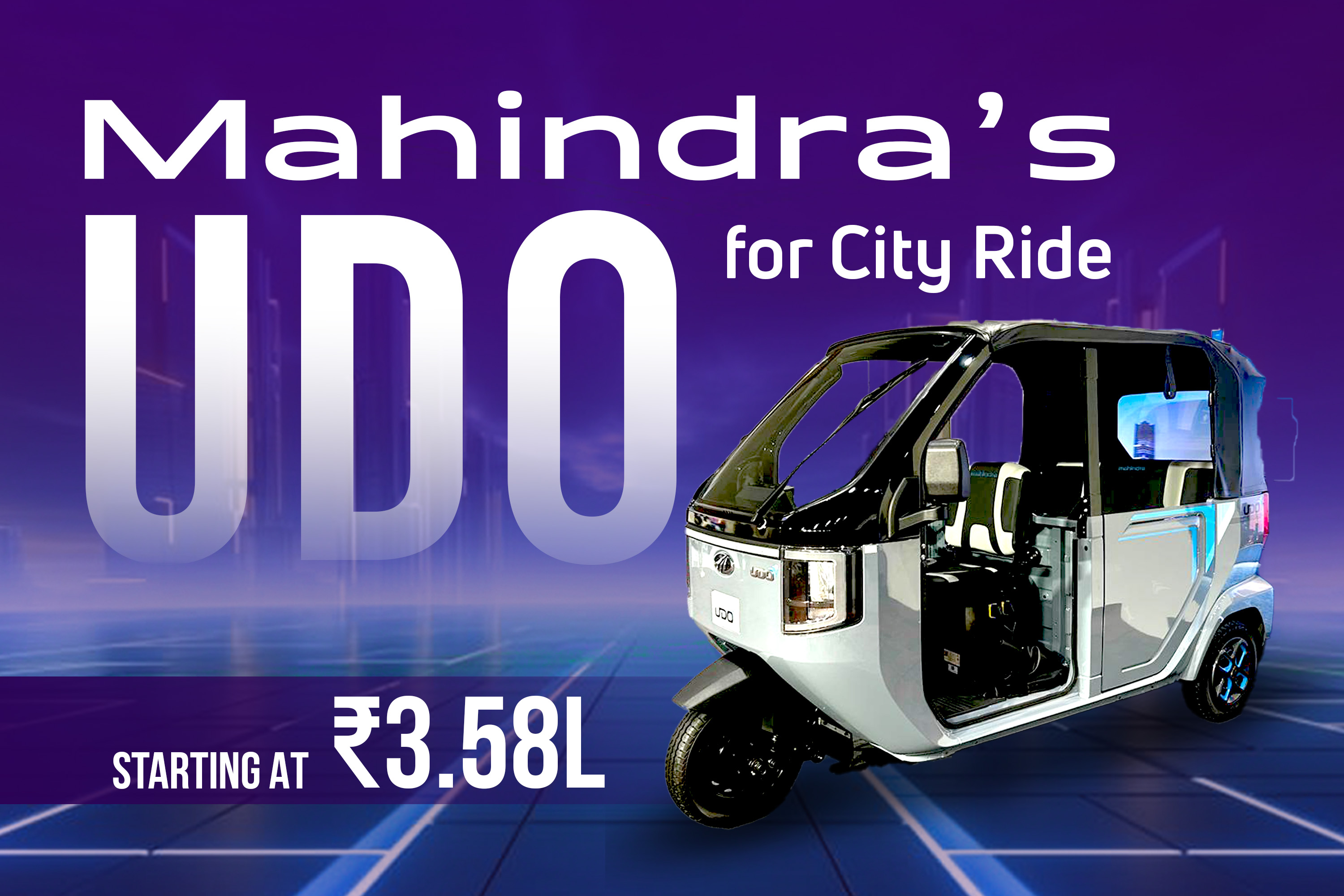
Mahindra LMML Unveils Udo: A New Electric Three-Wheeler Targeting City Commuters
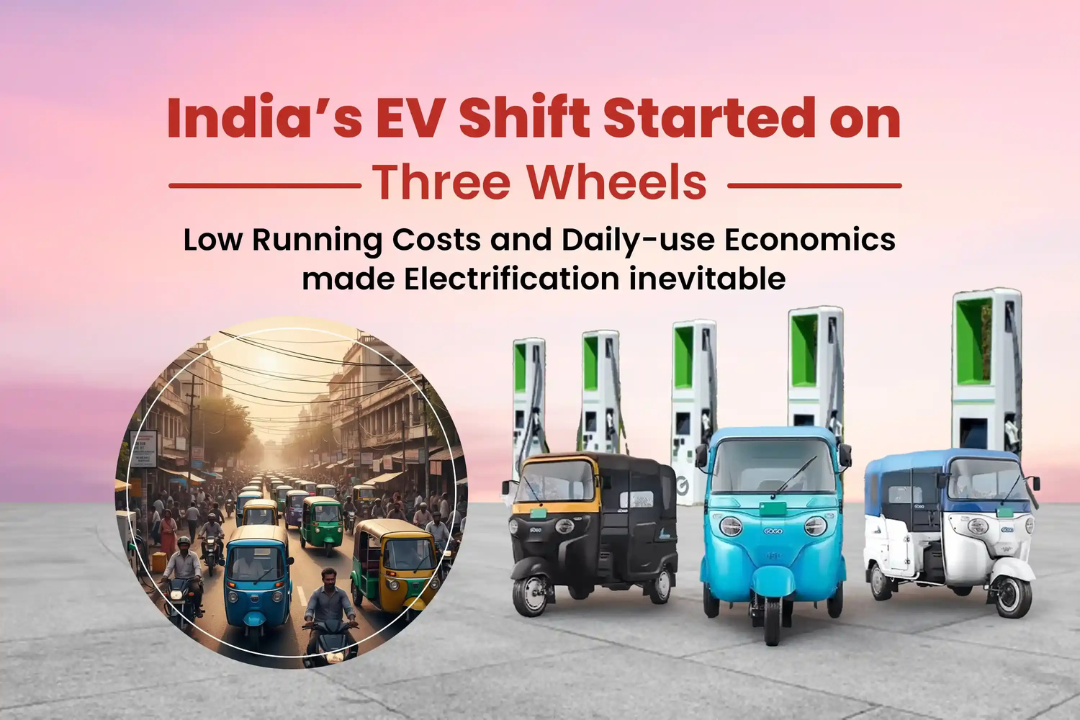
Why EV Adoption Is Fastest in the Three-Wheeler Segment in India
The Science of Movement: Why Drivers and Fleets Are Always in a Hurry
This Cutting-Edge Tech Is Here With a Promise to Cut Down Trucks Mishaps in India