
Why EV Adoption Is Fastest in the Three-Wheeler Segment in India
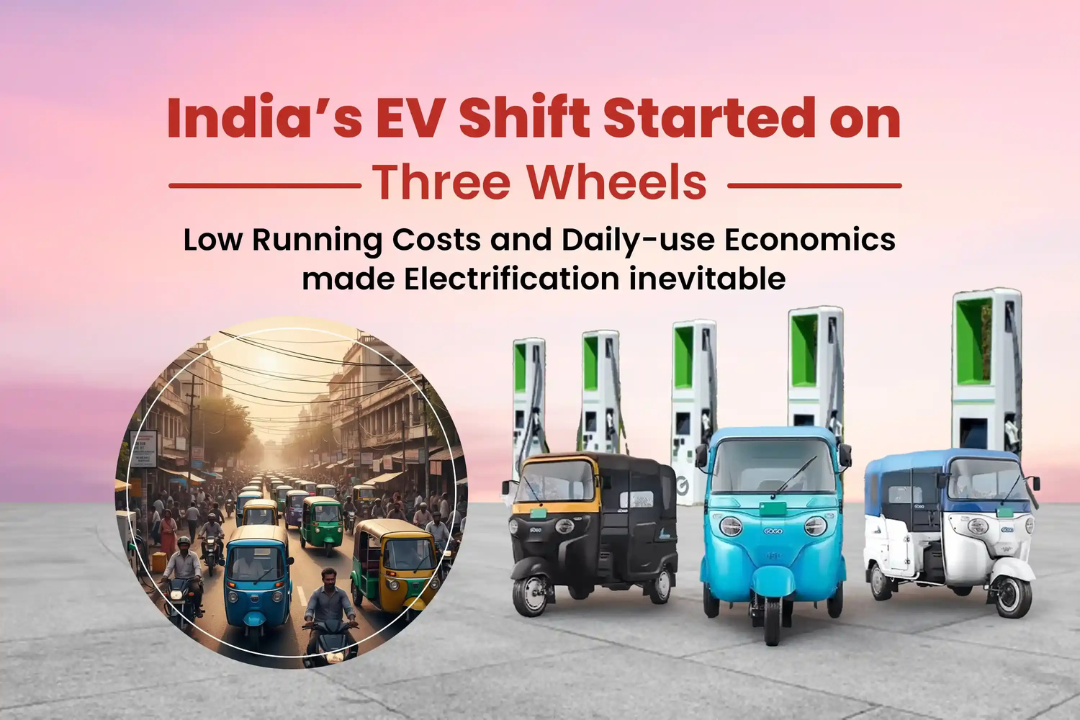
India’s electric vehicle (EV) market is growing rapidly, especially in the 3 wheeler segment. In 2025, electric three-wheelers accounted for a significant share of overall EV sales, with penetration levels in this segment far outpacing four-wheelers and even commercial vehicles. In fact, e-three-wheelers make up roughly 36% of total EV sales in India, and their EV share within the three-wheeler category itself has climbed beyond 40%.
So why did this modest, sometimes rickety-looking segment become the leader in electrification ahead of cars, two-wheelers, and buses? A mix of economics, use-case fit, and policy incentives all play a part.
The operating economics of electric three-wheelers are tough to beat. Electricity costs per kilometre can be less than half of what CNG or petrol 3-wheelers burn. Some studies conclude the cost per km for electric 3Ws at ₹1.28/km versus ₹3.21/km for petrol equivalents, a dramatic difference for owners whose livelihood depends on daily runs.
For fleet operators and individual drivers moving passengers or goods across cities and towns, those savings rapidly overshadow the slightly higher upfront cost. Unlike private passenger EVs, where range anxiety and resale value concern buyers, three-wheelers gain traction because profitability is front and centre, operators see the numbers add up quickly.
Plugged-In to Practical Uses
Three-wheelers are the workhorses of Indian urban and peri-urban mobility. They are everywhere: ferrying passengers through market lanes, delivering parcels, hauling loads for small businesses and forming the backbone of last-mile logistics. This breadth of everyday use means they cover kilometres every day, making fuel savings especially impactful.
EVs fit this role surprisingly well. Short, frequent trips with predictable return-to-base patterns align with modest battery capacities. Charging infrastructure doesn’t need to be extensive, just reliable enough near depots or terminals.
Policy Push and Market Momentum
Government programmes such as FAME and state EV policies have turbo-boosted the three-wheeler EV market, through subsidies, tax waivers and easier registration. While central subsidies recently achieved targets and have ended under some schemes (like PM e-Drive hitting its goal), the broader momentum remains.
In many cities, new registrations for shared-use autos and cargo 3Ws show electric models dominating new sales, sometimes more than half.
Conclusion: What This Means Going Forward
The three-wheeler segment has become a bellwether for India’s broader EV transition. With affordable ownership economics, alignment to real commercial use, and supportive policy tailwinds, it’s no accident this segment electrified first.
If anything, it signals that EV adoption isn’t just about cutting emissions; it’s also about delivering value where it matters most, on the balance sheet of the driver and entrepreneur navigating India’s streets every day.

MotorFloor
Articles: 33Related Posts
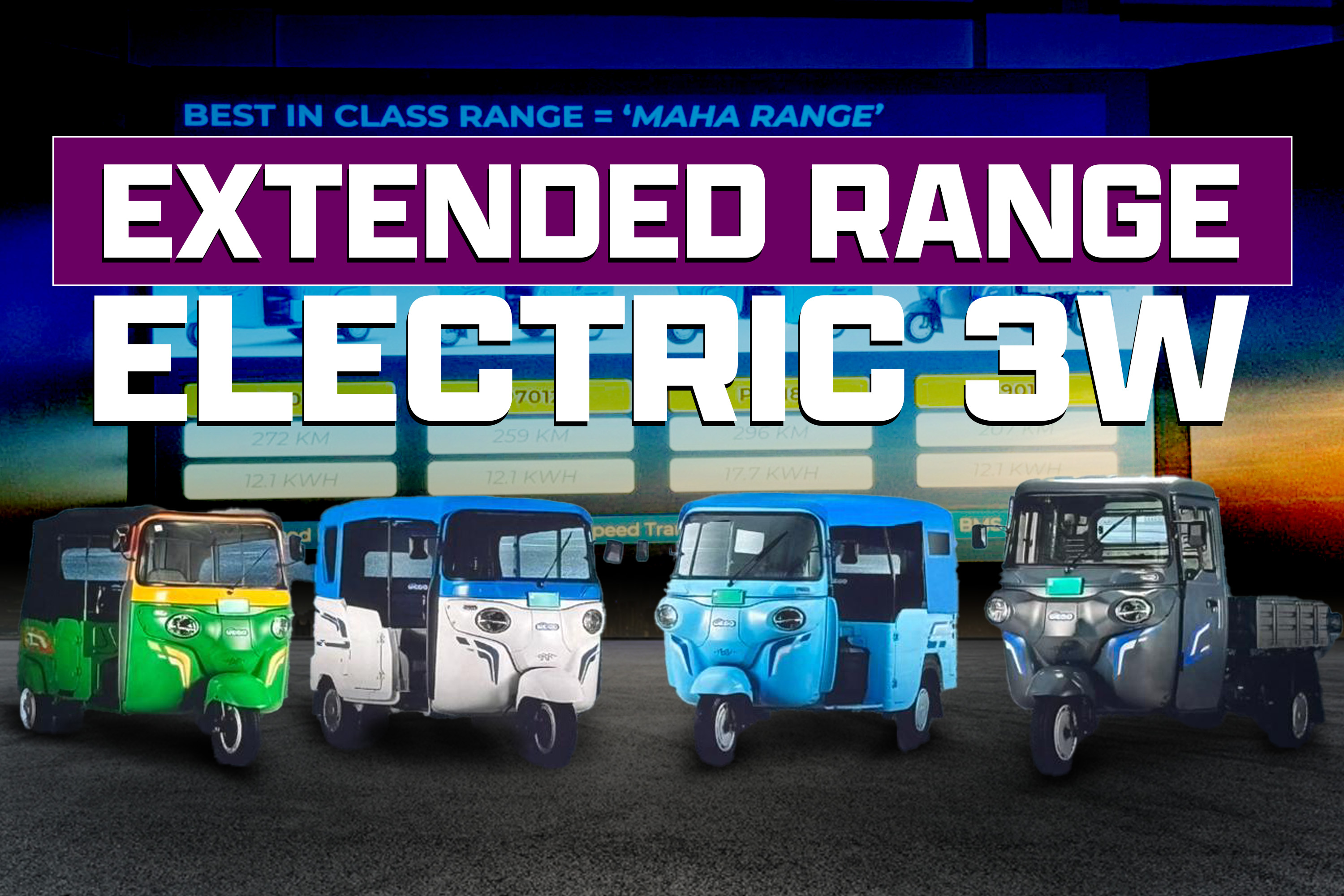
Bajaj Auto Rolls Out WEGO Electric Three-Wheeler Range, Claims Up to 296 Km Range
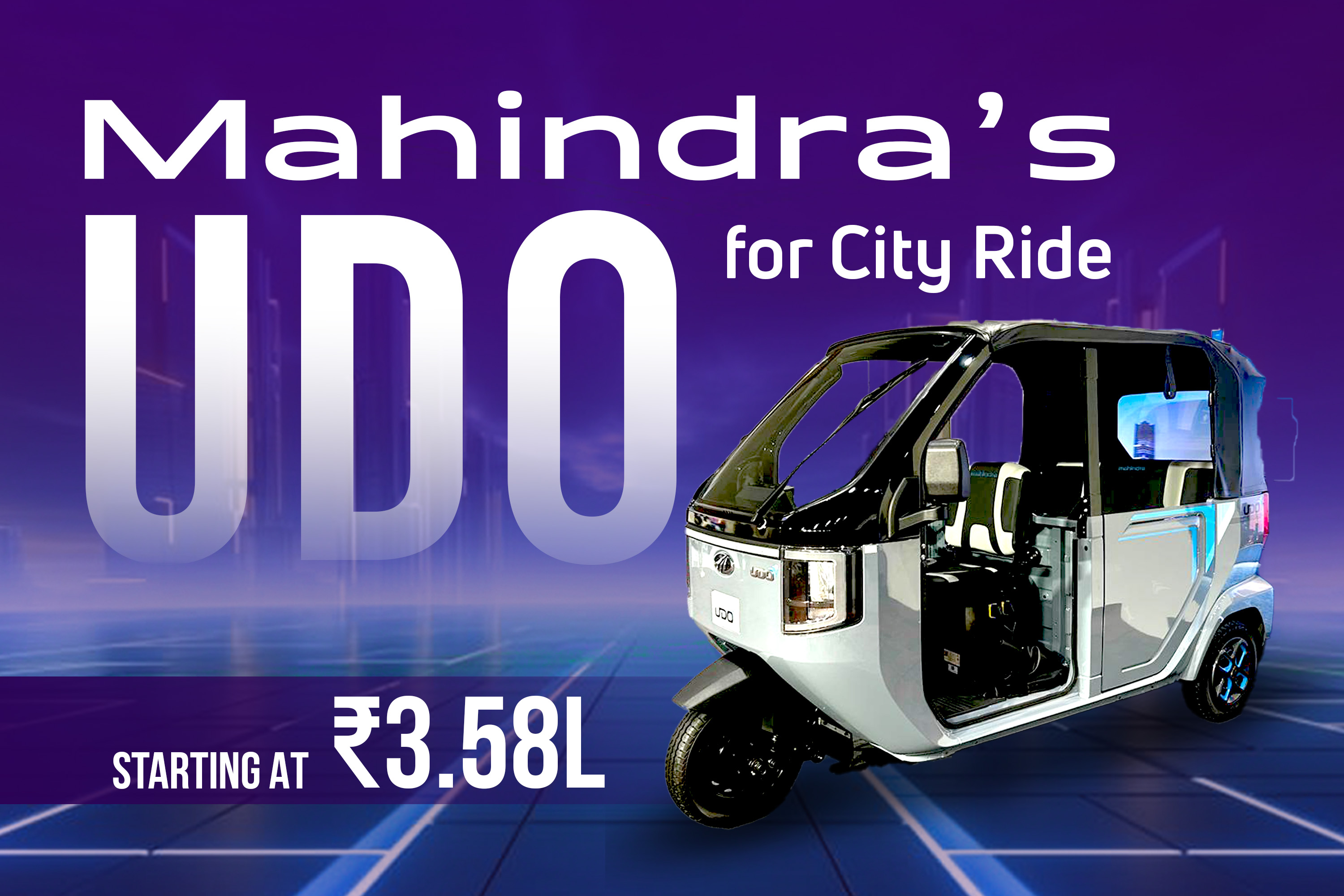
Mahindra LMML Unveils Udo: A New Electric Three-Wheeler Targeting City Commuters
Bus Stops to Doorsteps: The Hidden Role of Three-Wheelers in Daily Commutes
How Indian Three-Wheelers Compare with Global Safety Norms
CNG, LPG or Electric Three-Wheelers: Maintenance Differences Explained