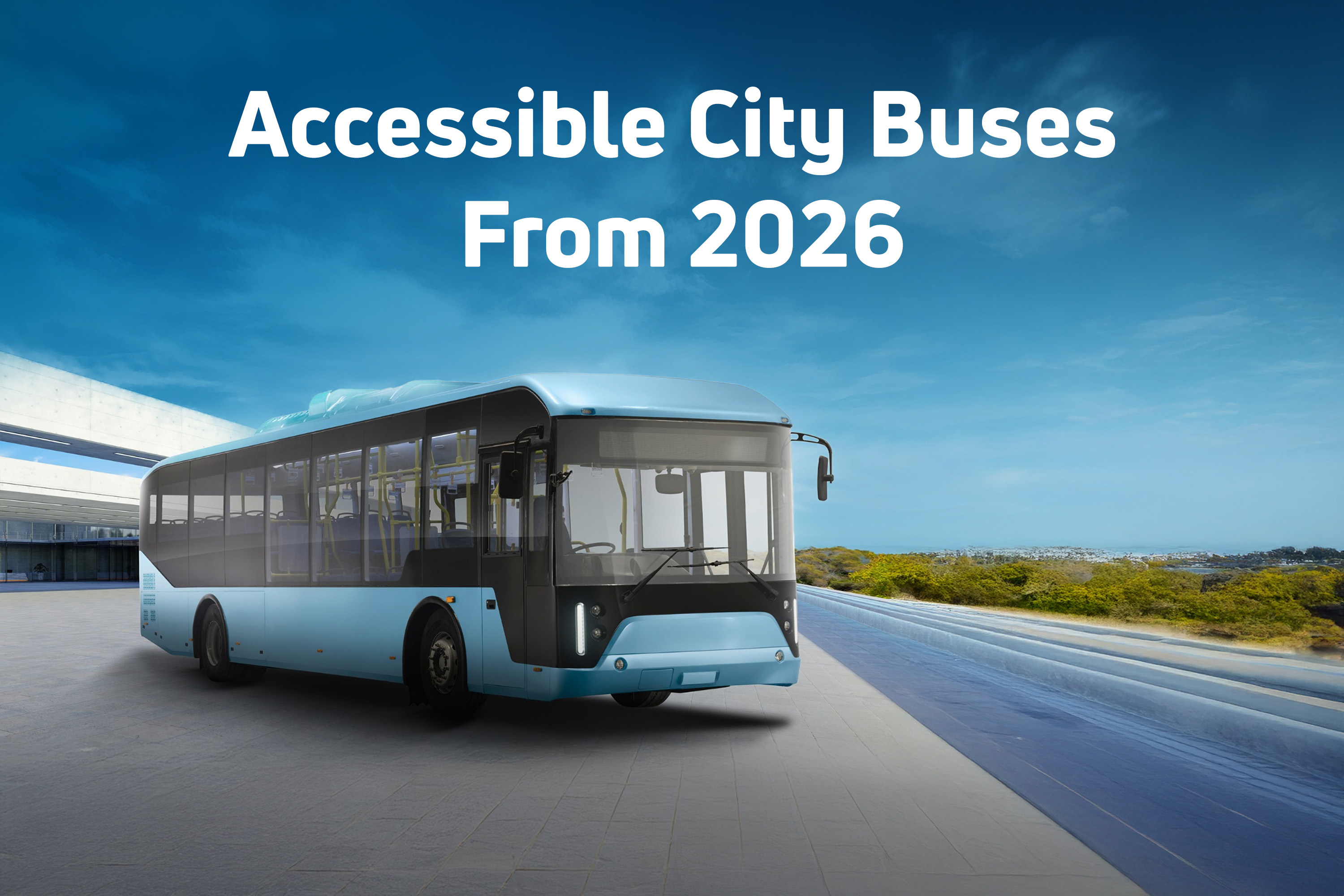

Big Shift in Urban Mobility: India Mandates Low-Floor Buses for All City Transit from October’26
The face of public transportation in India is in for a radical transformation as the government has now made it mandatory that from October 2026 onwards, all city buses produced for municipal transport should be low-floor buses with a floor height of 400mm. This has been made possible through a new framework for the manufacture of buses.
In India’s revised standard, public transport buses measuring 9 meters or more in length and designed for urban transport will have to conform to the Automotive Industry Standard (AIS-216), which specifies design dimensions, safety aspects, and norms for bus bodies. Newly designed buses from April 1st, 2026, and existing designs from October 1st, 2026, will have to conform to these norms.
The government’s order has the aim of overcoming the existing difficulties experienced by a broad range of commuters, including senior citizens, children, females, and the physically disabled, in boarding buses that have a high step and narrow aisle and are designed in a way that has few handholds. By lowering the floor of the buses to the road level, the transportation process becomes easier and faster.
The agents involved in the drafting of the mandate highlight that many manufacturers have already begun producing low-floor buses for large cities, which shows that the environment is ready for the transition. As low-floor buses tend to be associated with electric or high-end buses, harmonizing with the existing manufacturing pattern will assist cities in upgrading their transport systems without much hassle.
Notably, this requirement for low-floor buses is aligned with national strategies for enhancing urban mobility and making transport accessible to everyone. Currently, cities in the country are increasing their number of low-floor electric and CNG buses, and this new requirement will speed up this process while setting standards for future city buses.
This will give the bus services operators as well as the transport entities within the countries adequate time to make adjustments before the deadline set for October 2026. It is a pragmatic measure that tries to bring a balance between regulation and readiness in the transport sectors to make sure that improvements in the accessibility of public transport are achieved systematically.
In summary, the new India bus policy change represents a significant step in the right direction in urban transportation change. Through the adoption of low-floor buses for all routes in cities by October 2026, the government has reiterated its commitment to more inclusive, safe, and passenger-focused transportation in the country.
For more updates, industry news, and expert perspectives on commercial vehicles, stay tuned to MotorFloor, your trusted source for comprehensive coverage across the commercial mobility sector.

motorfloor
Articles: 31Related Posts

Leafy Bus to Establish Private Bus Terminals Across India
Preventive Maintenance Tips for Private & State Transport Bus Fleets

What to Look for When Buying a Used Bus in India

School Bus Buying Guide: Safety, Seating & Compliance in India
BMTC Introduces New Metro Feeder and City Bus Routes