

How to Improve Tractor Fuel Efficiency Without Compromising Performance
Ask any farmer what hurts the most after a long season, and fuel cost will come up sooner or later. Diesel prices don’t wait for a good crop year, and tractors, as reliable as they are, can quietly burn more fuel than necessary if we’re not careful. The frustrating part? Most fuel loss doesn’t come from hard work, it comes from small habits we don’t notice.
Improving tractor fuel efficiency isn’t about slowing down or buying the weakest machine on the market. It’s about making smarter choices so the tractor gives full performance without wasting diesel .
It Starts With Choosing the Right Tractor
There’s a common belief that more horsepower automatically means better productivity. Sometimes that’s true. Often, it isn’t. A tractor that’s bigger than what your land and operations actually need will almost always consume more fuel than necessary.
India’s farms vary a lot, flat fields, uneven land, soft soil and hard soil. Matching tractor power to the job matters. A machine that works comfortably in its power range uses fuel more efficiently than one that’s constantly under strain or, worse, barely being pushed.
In short: buy for your work, not for bragging rights.
Maintenance Is Where Most Fuel Is Lost
This is where many tractors lose efficiency quietly. Dust-clogged air filters, old engine oil, dirty fuel filters, each one forces the engine to work harder for the same output.
Fresh engine oil reduces friction, clean air filters allow proper combustion and fuel filters that aren’t clogged ensure smooth diesel flow. Even radiator screens matter. When dust blocks airflow, the engine heats up and burns more fuel just to stay alive. Maintenance doesn’t just protect the tractor. It protects your diesel money.
Tyres and Weight: The Hidden Fuel Killers
Incorrect tyre pressure is one of the most underestimated causes of fuel loss. Under-inflated tyres increase rolling resistance. Over-inflated tyres reduce traction and cause slippage. Either way, fuel is wasted.
Proper ballasting also plays a big role. When weight is balanced correctly, the tractor grips the soil instead of fighting it. Less slip means less fuel wasted spinning tyres in place. If your tractor slips more than it moves forward, you’re paying diesel for nothing.
How You Drive Matters More Than You Think
Tractors aren’t cars, but driving habits still matter. Running at high RPM all the time, using the wrong gear, or pushing the engine beyond what the task needs will burn fuel faster than expected.
Many experienced operators follow a simple idea: use a higher gear and lower engine speed when the load allows it. This keeps the engine in an efficient range without losing pulling power. Also, avoid unnecessary idling. A tractor running but not working is just converting diesel into noise.
Load and Route Planning Save Real Fuel
Overloading forces the engine to struggle. Underloading wastes capacity. Balanced loads help the tractor stay efficient.
The same applies to field planning. Extra turns, unnecessary passes and poor route planning don’t just waste time, they waste fuel. A slightly better plan can save litres across a season.
Fuel Quality and Injectors: Don’t Ignore the Smoke
Black smoke from the exhaust is usually a sign of inefficient combustion. Dirty injectors, poor-quality diesel or neglected fuel systems are often the reason.
Clean injectors spray fuel properly, which improves power and mileage at the same time. Using decent-quality fuel and keeping the fuel system clean ensures the engine gets the most energy from every drop of diesel.
Small Habits That Add Up
Wiping dust from radiator screens. Turning the engine off during long breaks. Using proper lubricants. Checking tyre pressure once a week instead of once a season. None of these things feel important on their own. Together, they can reduce fuel consumption noticeably over a full cropping cycle.
Final Thoughts
Fuel efficiency isn’t about cutting performance, it’s about not wasting effort. A tractor that’s well-matched to the job, properly maintained and sensibly operated will always deliver better mileage without slowing down work.
In Indian farming, where every litre of diesel counts, improving fuel efficiency is one of the simplest ways to protect profit without changing how hard you work.
MotorFloor takeaway: A fuel-efficient tractor isn’t weaker, it’s smarter. And smart farming always pays back in the long run.

MotorFloor
Articles: 33Related Posts

Best Tractor Practices for Small-Land Farmers in India

When Is the Right Time to Buy a Tractor: Astrology Secrets Revealed
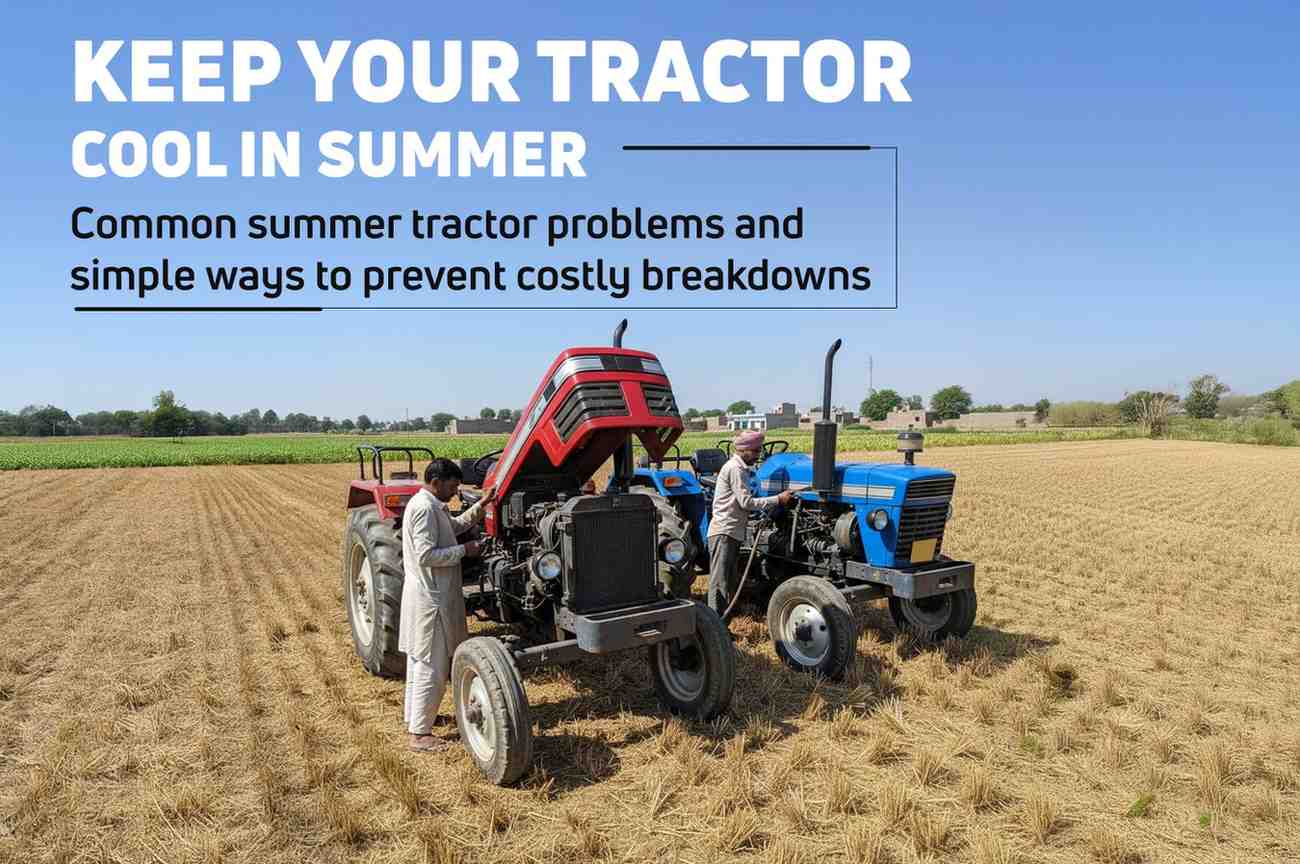
Common Tractor Problems During Indian Summers & How to Prevent Them
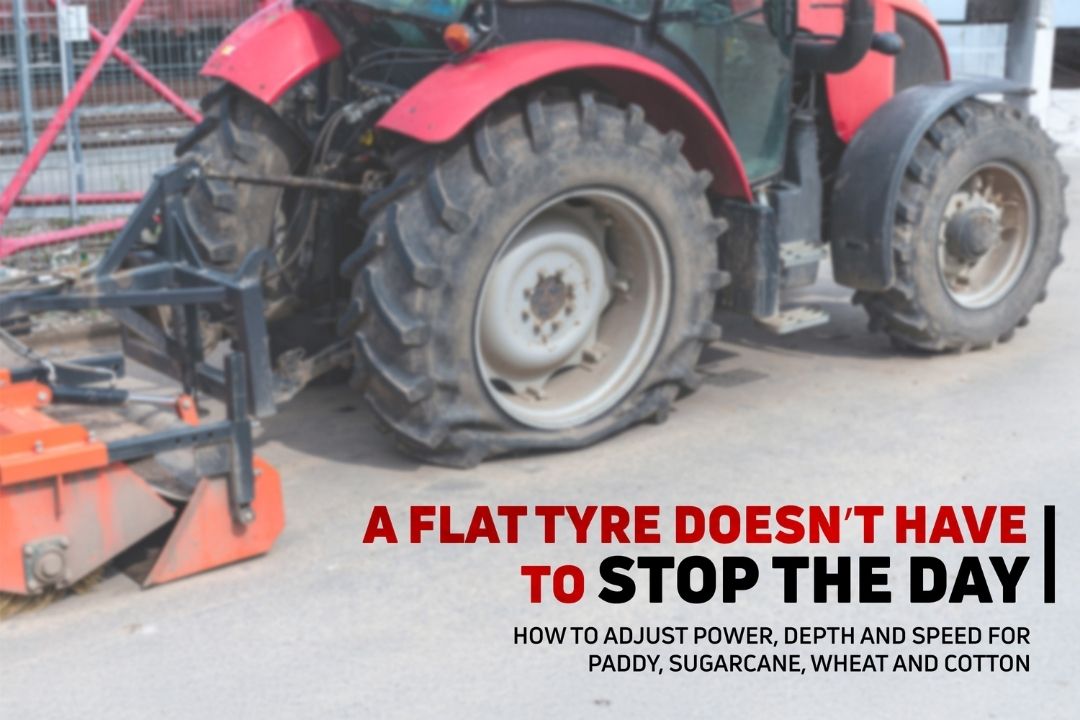
How to Change a Tyre Puncture on a Tractor: A Step-by-Step Guide

Best Tractor Settings for Paddy, Sugarcane, Wheat & Cotton Farming