
The Science of Movement: Why Drivers and Fleets Are Always in a Hurry
Motion is driving all activity in transportation. Whether pertaining to vehicle operation or overlong hauls, movement influences overall productivity. It would appear that people are always in a rush; yet this is more habit than instinct, driven by factors of time, attention, and environment.
All movements originate from the brain. Before any motion, the brain calculates the distance, effort, and timing of the movement. When the schedule is tight, there is an emphasis on speed. The muscles stiffen, the body leans forward, and the gap between actions shortens. This is an automatic reaction, whether it is operating an industrial vehicle, dealing with traffic in the city, or traveling on the highway.
The highway itself encourages the same. The lights that dot the highways remind drivers of the need to be constantly on the lookout. For truck drivers, too, the patterns that recur hour after hour remind them of the need to be constantly ready. Even the briefest pause becomes a kind of wait, and the body becomes conditioned over time to move faster but more exhausted.
The feeling of being pressed for time also distorts perception: distances are longer, tasks weightier, and routes more demanding. This might lead to faster decisions, shorter rests, and such a pace that feels unavoidable even in conditions where there would be no objective obstacles to slowing down.
Technology plays a dual role. While navigation systems, fleet telematics, and alerts help drivers be more efficient, these also increase the mental workload. Drivers process more signals, maintain attentiveness, and at times keep tension for a longer period. Fatigue does not necessarily come from the effort one exerts; rather, it builds up silently over time as one focuses.
Social and operational pressures add to the pattern. The flow of traffic itself often sets an expected pace, while the culture of most fleets intrinsically rewards speed in terms of fast turnaround and constant movement. Drivers adapt to this quite naturally, which makes a given speed seem normal and any slowing is an inefficient waste of time.
Biology teaches that a constant sense of urgency must be balanced. While urgent is good when it triggers movement, constant urgent movement leads to a lack of focus, control, and safety. Urgent movement must be counterbalanced with non-urgent movement.
Perhaps understanding why the drivers and the fleets rush will make it easier to rethink the problem. Drivers and fleets rush due to the circumstances, and the rush is just an adaptation to these conditions, meaning the rush is just an adaptation and is in no way a problem.
For more updates, industry news, and expert perspectives on commercial vehicles, stay tuned to MotorFloor, your trusted source for comprehensive coverage across the commercial mobility sector.

motorfloor
Articles: 31Related Posts

Mahindra LMML Unveils Udo: A New Electric Three-Wheeler Targeting City Commuters
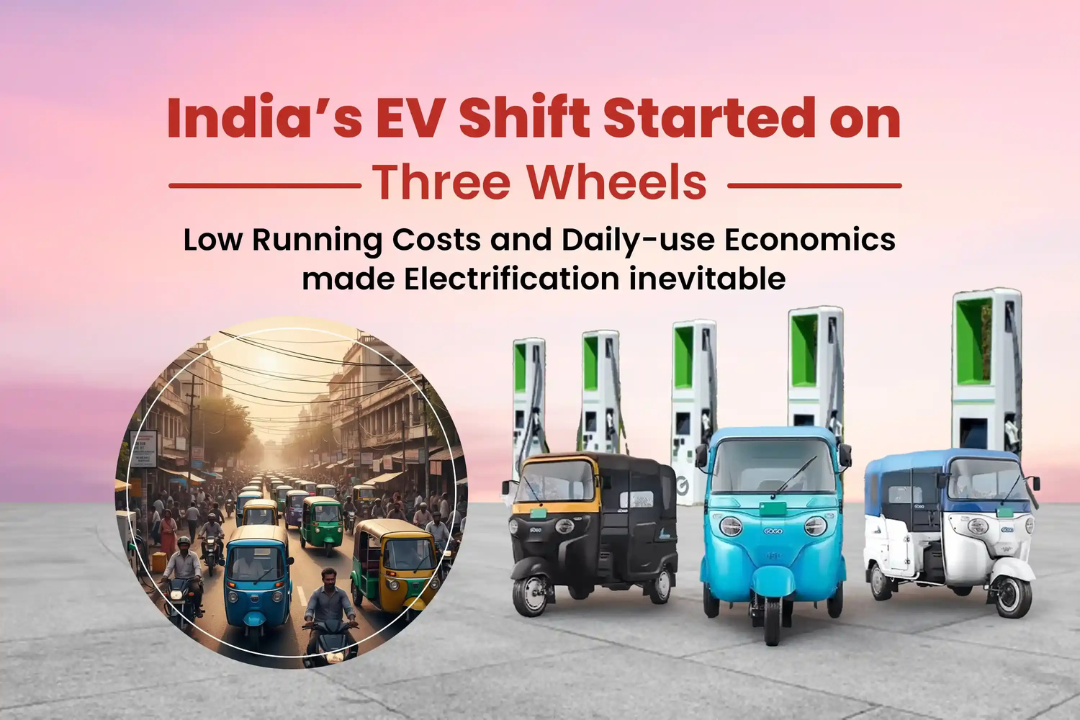
Why EV Adoption Is Fastest in the Three-Wheeler Segment in India

This Cutting-Edge Tech Is Here With a Promise to Cut Down Trucks Mishaps in India

Five Key Lessons to Learn from the World’s Most Innovative Trucking Startups
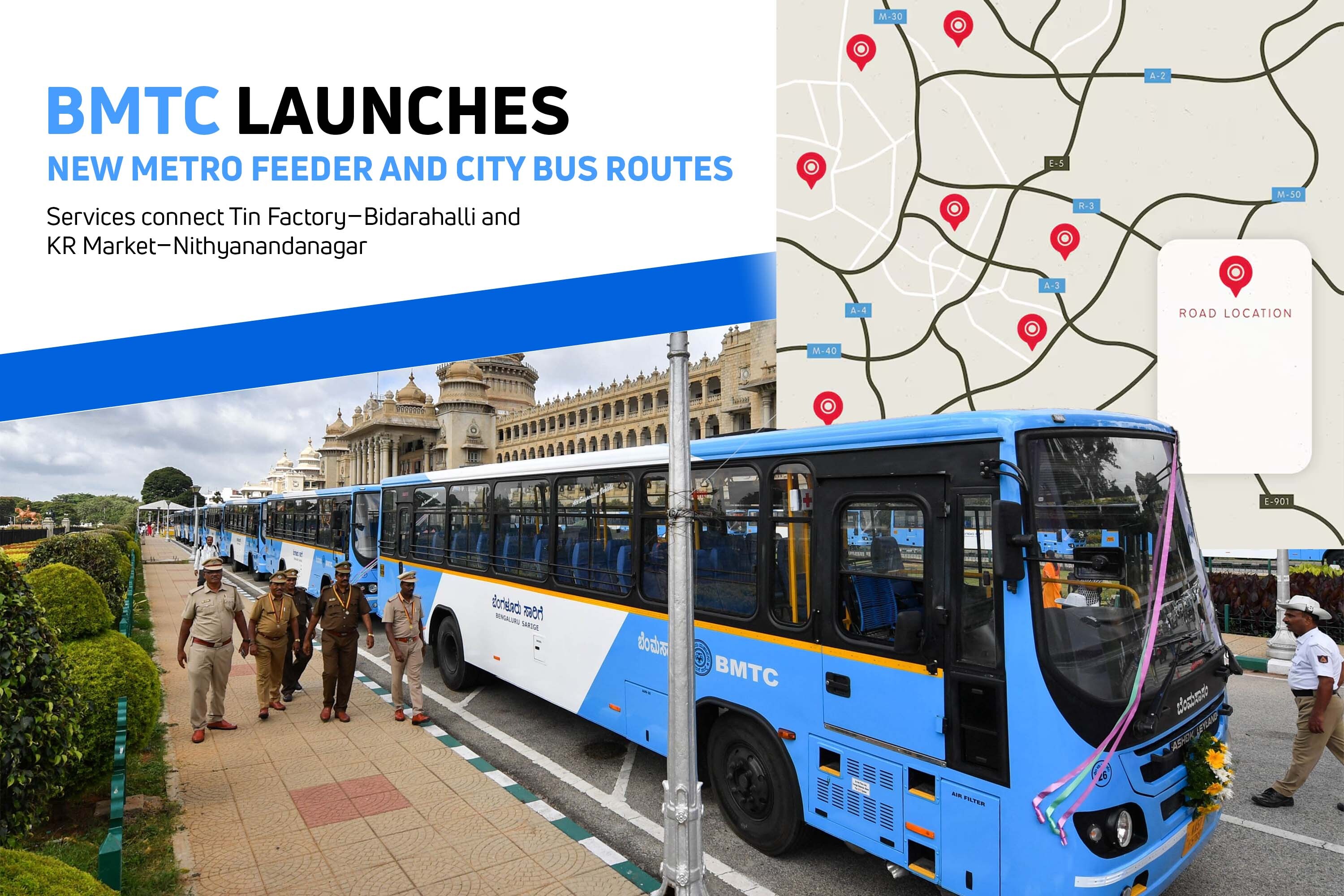
BMTC Introduces New Metro Feeder and City Bus Routes