
Best Tractor Practices for Small & Marginal Farmers in India
For most small and marginal farmers in India, farming is very significant because of limited land, limited money and very little room for mistakes. In this situation, a tractor can either become a powerful support system or an expensive burden. The difference lies not in the brand or price tag, but in how wisely it’s used.
Good tractor practices aren’t complicated. They’re practical. They come from understanding your land, your work and your limits.
Start Small. It Usually Works Better
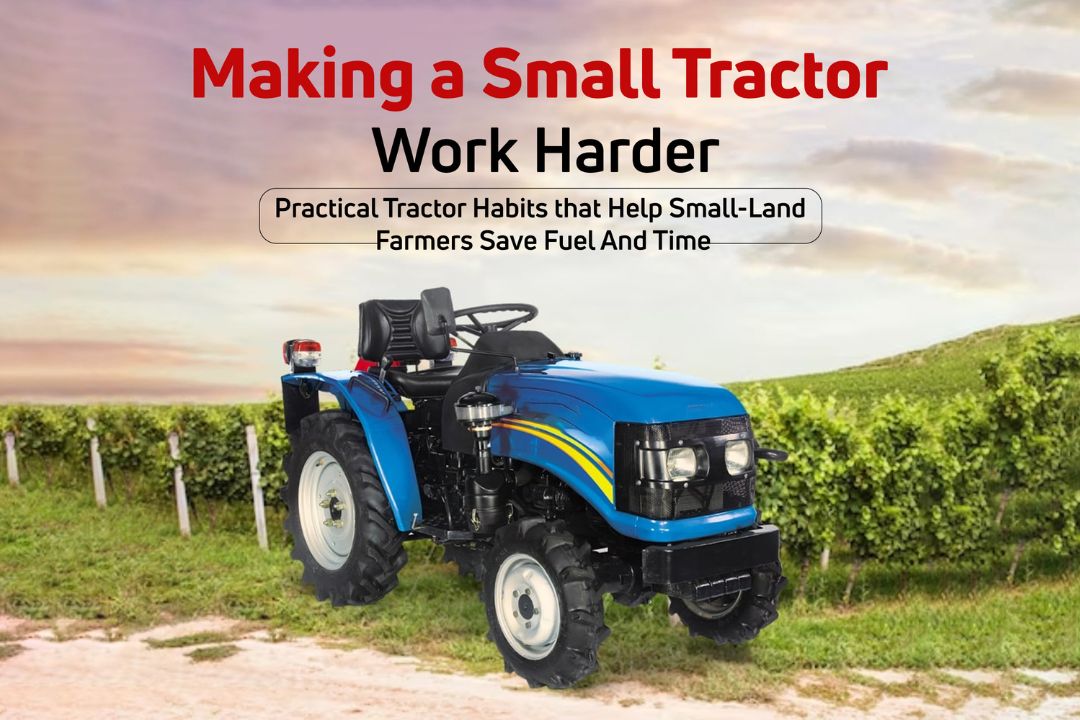
There’s a quiet truth many farmers learn the hard way: bigger tractors don’t automatically mean better farming. For landholdings under five acres, mini and compact tractors in the 10–30 HP range often make the most sense.
They turn easily in small plots, fit better between crop rows and consume less diesel. Orchard farmers and vegetable growers especially benefit from smaller machines because they don’t damage crops while moving around. A tractor that feels comfortable in your field will almost always work more efficiently than a powerful one that struggles to manoeuvre.
Terrain matters too. If your fields stay wet or uneven, traction becomes more important than raw horsepower. In such cases, tyre type or 4WD capability can matter more than engine size.
Implements Are Where the Real Value Lies
Many small farmers focus heavily on buying the tractor and forget about implements. That’s a mistake.
A tractor on its own is just a pulling machine. Add the right implements and it becomes a complete farming system. Rotavators save time during land preparation. Seed drills reduce seed wastage and improve spacing. Sprayers help apply inputs evenly, which directly affects yield.
Instead of hiring different machines for every task, owning a few basic implements allows one tractor to handle multiple jobs across seasons. For small farmers, this flexibility is often more valuable than sheer power.
Diesel Costs Don’t Rise Overnight, They Leak Away Slowly
Fuel efficiency isn’t lost in one bad day. It’s lost in small, repeated habits.
Leaving the engine running during breaks. Taking extra passes in the field. Driving without planning routes. These things don’t feel costly at the moment, but over months, they quietly increase diesel expenses.
Switching off the engine when not working, planning movements inside the field, and avoiding unnecessary idling can save more fuel than most people expect. Compact tractors already have an advantage here.
Maintenance Isn’t Fancy, But It’s Essential
Tractors rarely break down suddenly. Most problems give warnings, if someone is paying attention.
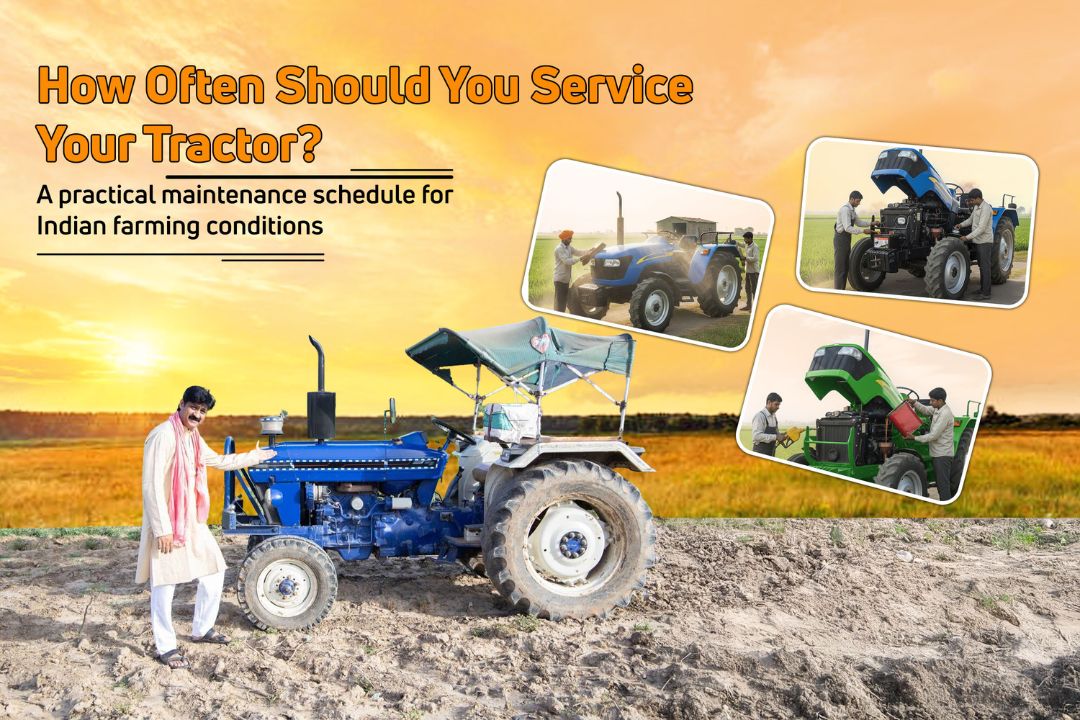
Daily checks don’t take long. A quick look for leaks, loose parts or dust buildup can prevent bigger issues later. In dusty conditions, air filters need frequent cleaning. A clogged filter alone can reduce power and increase fuel consumption noticeably.
Following basic service intervals matters. Engine oil every 100 hours. Hydraulic and transmission fluids roughly every 300 hours. These are simple routines but skipping them almost always leads to repairs at the worst possible time.
Don’t Ignore Government Support
Many small farmers assume government schemes are complicated or not meant for them. Often, that’s not true.
Subsidies under agricultural mechanisation programs can reduce the cost of tractors and implements significantly. Even partial support makes a difference for small landholders. Local agriculture offices, cooperatives or dealers usually have updated information.
Using these schemes smartly can make mechanisation affordable without putting unnecessary pressure on finances.
Technology: Take It Slowly, But Don’t Ignore It
Not every farmer needs advanced tech on day one. That’s fine. But simple tools like basic farm expense tracking or shared services such as drone spraying can help reduce waste and improve decision-making.
Even writing down fuel usage, repair costs and service dates helps farmers understand where money is being spent. Awareness itself leads to better choices.
Why These Practices Actually Matter
When tractors are used correctly, the benefits go beyond speed. Field operations finish on time. Crops get better treatment. Labour dependence reduces. Physical strain comes down.
For many small and marginal farmers, this shift improves not just productivity, but quality of life. Farming becomes more predictable, a little less stressful, and slightly more secure.
Final Thoughts
For small farmers in India, the best tractor practices aren’t about doing everything at once. They’re about doing a few things right like choosing the correct tractor size, using practical implements, maintaining the machine regularly and keeping costs under control.
A tractor doesn’t change farming overnight. But used wisely, it steadily changes what’s possible.
MotorFloor takeaway: The smartest tractor isn’t the biggest one. It’s the one that fits your farm, your budget and your daily reality.

MotorFloor
Articles: 33Related Posts
Best Tractor Practices for Small-Land Farmers in India

When Is the Right Time to Buy a Tractor: Astrology Secrets Revealed
Common Tractor Problems During Indian Summers & How to Prevent Them
How to Change a Tyre Puncture on a Tractor: A Step-by-Step Guide
Best Tractor Settings for Paddy, Sugarcane, Wheat & Cotton Farming